|
COOKIES SETTINGS |
Accept all cookies Personalise |
| Accept selected cookies |

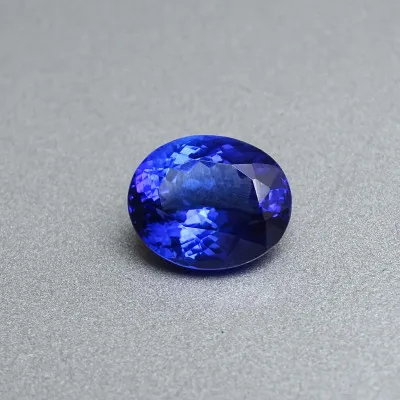
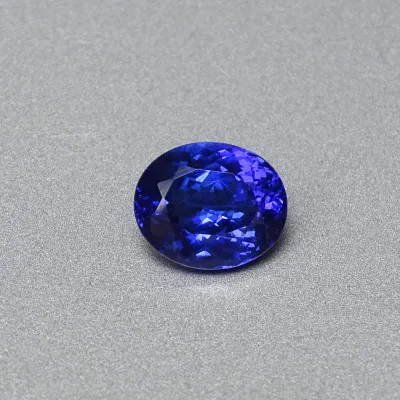
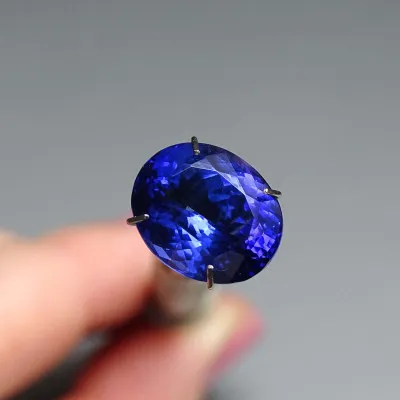
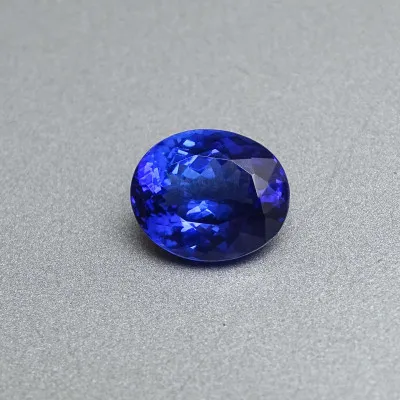
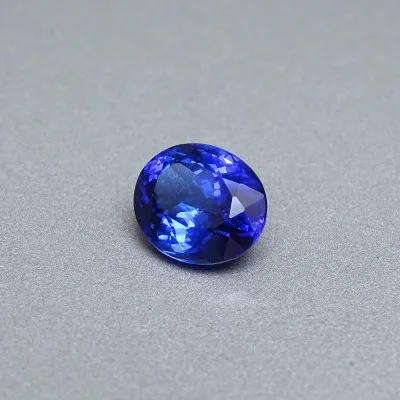
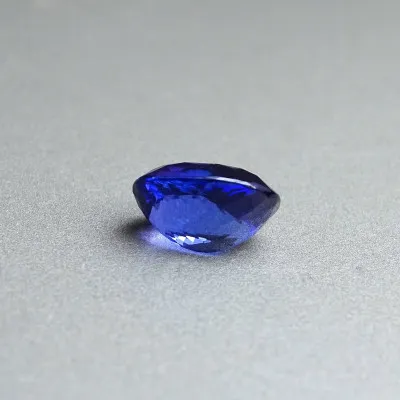
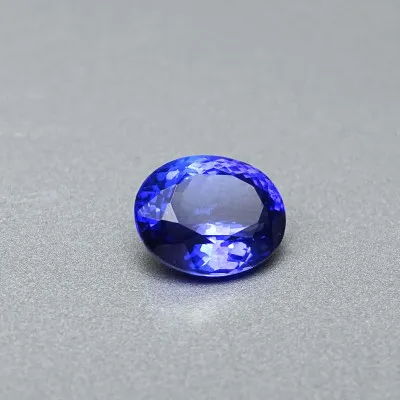
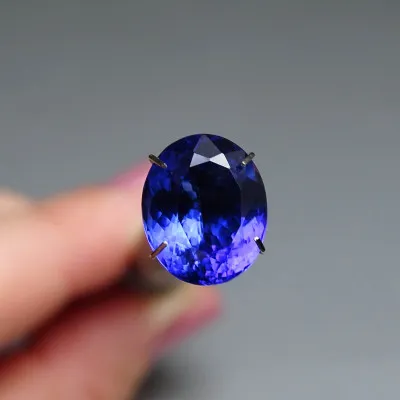
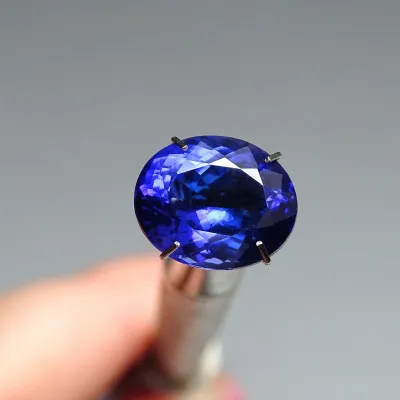
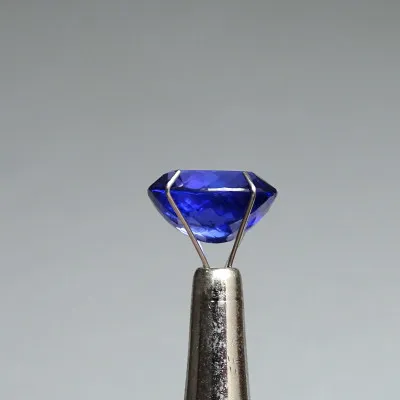
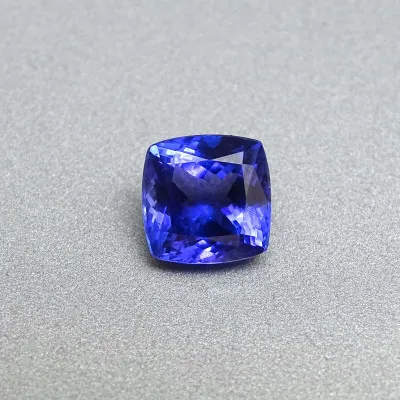
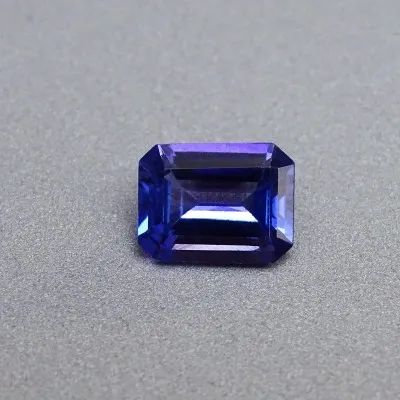
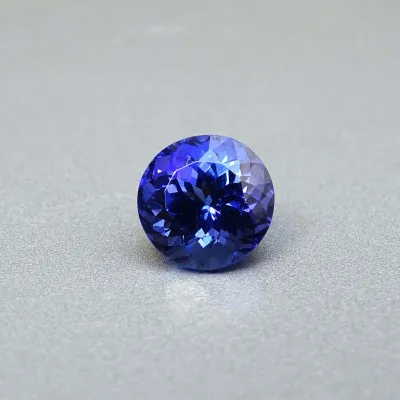
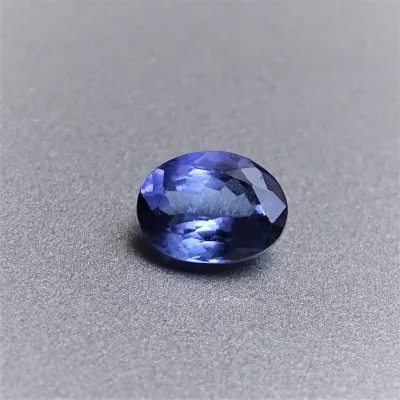
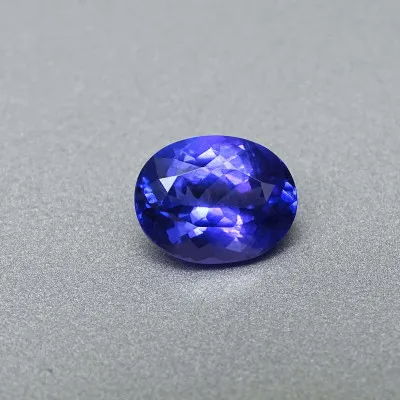
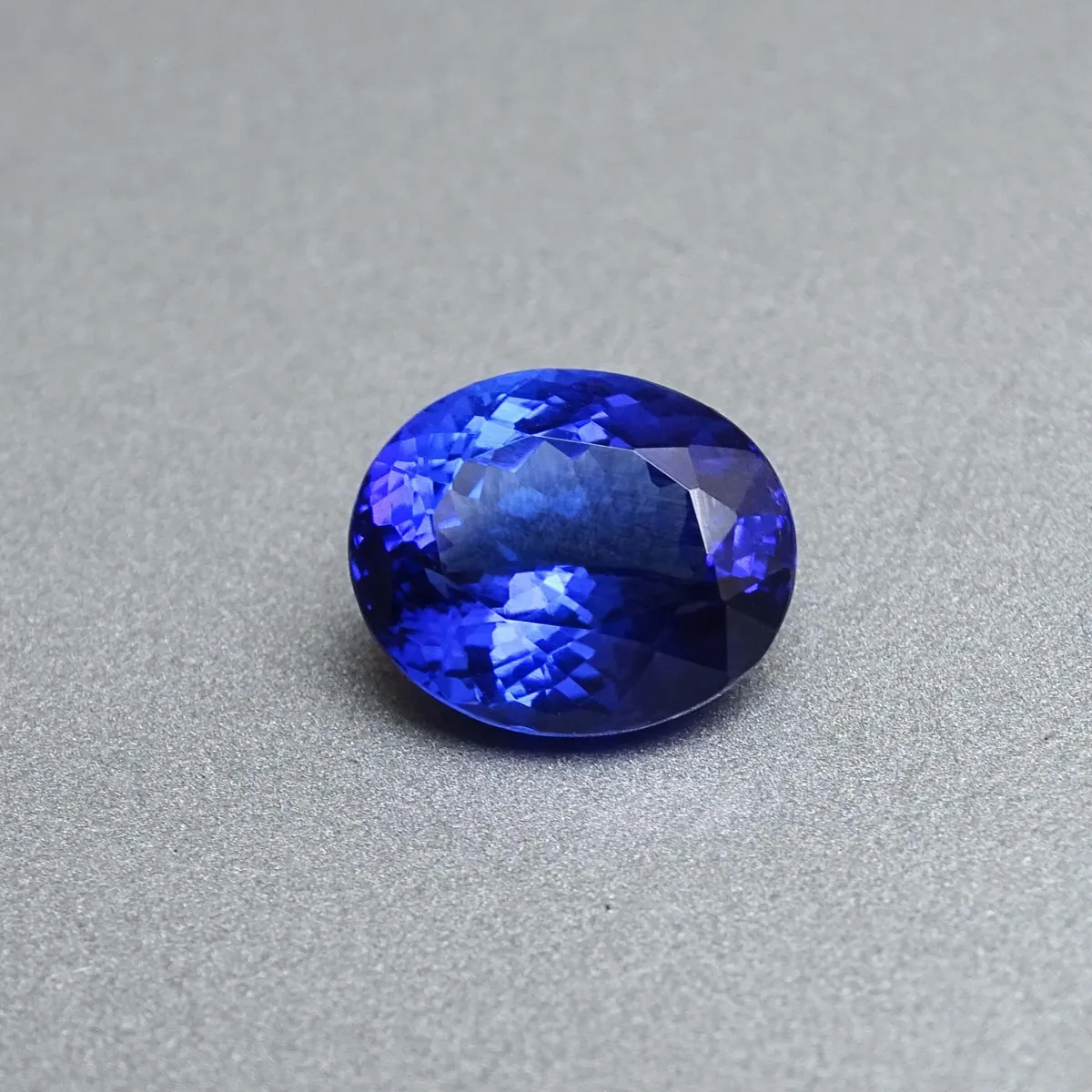
Tanzanite - investment cut natural gemstone with ČGL certificate (Czech Gemological Laboratory), beautiful blue color with absolute purity of the stone. Tanzanites are always heat treated. We recommend a great price, a beautiful investment gemstone! Ready to ship, we will deliver within 3 business days.
Tanzanite is one of the rarest gemstones in the world - it is found in only one place on Earth, in the Merelani Mountains in Tanzania. Its reserves are limited and are expected to be completely exhausted within a few years, which makes it an attractive choice for a long-term investment. Tanzanite is known for its trichroicity - at different angles of view it can show blue, purple and burgundy tones. This optical phenomenon makes each cut tanzanite a unique original.
Certificate: YES
Weight: 5.77 ct
Dimensions: 12.03 x 9.97 x 6.65 mm
Color: blue - slightly bluish purple, transparent
Cut: brilliant cut - Oval
Country of origin: Tanzania, the location is located near the city of Arusha near the Mount Meru volcano.
Investment tanzanite is sealed in a ČGL capsule
You always buy the mineral shown in the photo! The price is listed with 21% VAT.
MINERALS-STONES® • Gemstone Zoisite • Tanzania
Tanzanite is an exceptionally rare blue to blue-violet gemstone variety of the mineral zoisite. It became famous for its unique color, strong pleochroism and extremely limited origin in the Merelani Hills region of northern Tanzania. It belongs to the most distinctive colored gemstones of the modern era and is sought after for jewelry, collecting and selected gemstone collections.
Tanzanite is a gemstone variety of zoisite that can occur naturally in brownish-green, blue, violet to blue-violet shades. The most desirable stones are richly blue to blue-violet, with good clarity, high-quality cutting and a strong optical appearance. It is precisely the combination of blue and violet color components that gives tanzanite its characteristic look, distinguishing it from sapphire, iolite, spinel and other blue gemstones.
Mineralogically, tanzanite belongs to the group of zoisites, calcium-aluminium sorosilicates. Its chemical formula is given as Ca2Al3(SiO4)(Si2O7)O(OH). The characteristic blue to blue-violet color is influenced mainly by trace elements, especially vanadium, and by very specific geological formation conditions. Tanzanite is also known for its strong pleochroism: depending on the viewing direction, it may show blue, violet to purplish tones.
The uniqueness of tanzanite lies above all in its origin. The commercially significant deposit is connected with the Merelani Hills region in northern Tanzania, near the city of Arusha, Mount Meru and the Kilimanjaro massif. This extremely limited locality is one of the main reasons why tanzanite is considered one of the most exceptional gemstones of the 20th century.
Tanzanite is often associated with the jewelry house Tiffany & Co., which played a key role in introducing it to the international market and popularizing the name Tanzanite. Since then, tanzanite has developed into a modern luxury gemstone with a very strong identity, intense color and the remarkable story of a gemstone from only one major source region.
Tanzanite is commercially connected with the Merelani Hills region in Tanzania. Such a narrowly limited origin is exceptionally rare among important gemstones.
The most valuable tanzanites impress with an intense blue to blue-violet color. A high-quality cut can beautifully enhance color depth, luster and pleochroism.
Tanzanite is one of the younger famous gemstones. Nevertheless, within a short time it has gained an exceptional position in the jewelry world and among collectors.
Tanzanite comes from the Merelani Hills region in northern Tanzania. The deposit lies in the wider area near the city of Arusha, Mount Meru and the Kilimanjaro massif. This origin is crucial to the identity of tanzanite, because no other deposit in the world has comparable commercial importance.
Tanzanite mining takes place in mining blocks and is associated with demanding underground mining conditions. High-quality gem material does not occur evenly, and only part of the mined material is suitable for cutting selected gemstones.
The limited geographic origin does not mean that every tanzanite is automatically an investment gemstone. However, it does mean that for high-quality pieces, origin, color, clarity, size, cut and documentation play a very important role.
| Parameter | Information |
|---|---|
| Name | Tanzanite |
| Mineralogical group | Zoisite, sorosilicate group |
| Chemical composition | Ca2Al3(SiO4)(Si2O7)O(OH) |
| Color | Blue, violet, blue-violet, purplish blue, rarely brownish-green to greenish |
| Crystal system | Orthorhombic |
| Hardness | Approximately 6–7 on the Mohs scale |
| Luster | Vitreous |
| Transparency | Transparent to translucent depending on quality |
| Optical phenomenon | Strong pleochroism to trichroism – blue, violet and purplish tones depending on viewing direction |
| Typical treatment | Heat treatment to enhance the blue to blue-violet color |
| Locality | Merelani Hills, northern Tanzania |
| Use | Luxury jewelry, faceted gemstones, collector stones, selected gemstone collections |
Tanzanite is exceptional because it combines several properties that rarely occur together in gemstones. It has an extremely limited origin, a striking blue-violet color, strong pleochroism and a modern discovery story. Thanks to this, it has become one of the best-known colored gemstones of the present day.
From a gemological point of view, it is important that tanzanite should not be evaluated by name alone. The quality of a specific stone depends on color, clarity, cut, size, transparency, orientation during cutting, possible treatments and documentation.
The most attractive tanzanites show a deep blue to blue-violet color without a pronounced gray or brownish tone. The cut is also very important, because the right orientation can enhance the most beautiful color direction of the stone.
For tanzanite, heat treatment is a common and gemologically accepted treatment. Many natural tanzanites occur in their rough state in brownish, greenish or less attractive tones. Controlled heating helps enhance the blue to violet color component and reduce unwanted brownish tones.
Heat-treated tanzanite is not an imitation and not a synthetic stone. If the starting material is natural tanzanite and the treatment is transparently stated, it is a common practice in the market for this gemstone. For intensely blue to blue-violet tanzanites, heat treatment is generally considered very common.
Tanzanites that already display an attractive blue-violet color without heat treatment are rarer. For higher-value stones, gemological documentation and a clear description of properties are therefore recommended.
Tanzanite is a highly attractive jewelry gemstone. It is most commonly used in pendants, earrings, luxury rings, solitaire jewelry and gemstone collections. Its blue-violet color stands out beautifully in white gold, yellow gold and platinum, and it is often combined with diamonds, which further emphasize its brilliance and color depth.
When used in jewelry, its hardness of approximately 6–7 on the Mohs scale should be taken into account. Tanzanite is suitable for luxury jewelry, but it requires more careful handling than diamond, sapphire or ruby. For rings, a protective setting and gentle wear are recommended.
Tanzanite should not be cleaned in an ultrasonic cleaner and should not be exposed to strong temperature changes, impacts or aggressive chemicals. With proper care, however, it belongs to the most impressive colored gemstones of modern jewelry design.
Tanzanite is a beautiful but more delicate gemstone. We recommend protecting it from falls, impacts, pressure, strong temperature changes, aggressive chemicals and ultrasonic cleaning. Especially in rings, careful wearing and a protective setting are advisable.
For cleaning, a soft cloth is sufficient, or optionally lukewarm water with a very mild soap solution. The stone should then be gently dried with a soft textile. Do not store tanzanite loosely together with harder gemstones, as they could scratch it.
High-quality larger tanzanites can be interesting for collectors and from a long-term perspective because they combine beauty, limited origin and a globally recognized gemstone story. Stones with deep blue-violet color, good clarity, high-quality cut, higher carat weight and trustworthy documentation are generally considered more valuable.
At the same time, it is important to say that no gemstone is a guaranteed financial product. Future price development cannot be guaranteed, and the actual value always depends on the quality of the specific stone, demand, the possibility of future resale and professional evaluation.
Tanzanite is a blue to blue-violet gemstone variety of the mineral zoisite. It belongs to the sorosilicate group and is known mainly for its color, pleochroism and limited origin in Tanzania.
Tanzanite comes from the Merelani Hills region in northern Tanzania, near Arusha, Mount Meru and the Kilimanjaro massif. It is the only commercially significant tanzanite deposit in the world.
It is special because of the combination of limited origin, beautiful blue-violet color, strong pleochroism, modern discovery history and its importance among colored gemstones.
Yes. Tanzanite is rare mainly because its commercially significant occurrence is connected with a very limited region in Tanzania. The rarest pieces are high-quality, larger and intensely colored stones.
Yes. Heat-treated tanzanite can be a completely natural stone. Heat treatment is a common gemological treatment for tanzanite and enhances the blue to blue-violet color.
Yes, untreated tanzanites do exist. Attractive blue-violet untreated pieces are significantly rarer, and for higher-value stones, laboratory verification is recommended.
Yes, but ideally with a protective setting and for gentle wear. Tanzanite is not as hard as diamond, sapphire or ruby and should therefore be protected from impacts.
Protect it from falls, impacts, ultrasonic cleaning, chemicals and strong temperature changes. Clean it with a soft cloth or very gently with lukewarm water and mild soap.
High-quality larger tanzanites can be interesting for collectors and from an investment perspective, but they are not a guaranteed financial product. Specific quality, documentation and market demand are decisive.
The most important factors are color, clarity, cut, size, pleochroism, origin, information about treatments and, for higher-value stones, gemological documentation.
You always purchase the exact stone shown in the photograph. MINERALS-STONES® offers natural minerals, crystals, gemstones, collector pieces and jewelry with a focus on origin, real photographs, expert descriptions and transparent information.
Tanzanite - investment cut natural gemstone with ČGL certificate (Czech Gemological Laboratory), beautiful blue color with absolute purity of the stone. Tanzanites are always heat treated. We recommend a great price, a beautiful investment gemstone! Ready to ship, we will deliver within 3 business days.
Tanzanite is one of the rarest gemstones in the world - it is found in only one place on Earth, in the Merelani Mountains in Tanzania. Its reserves are limited and are expected to be completely exhausted within a few years, which makes it an attractive choice for a long-term investment. Tanzanite is known for its trichroicity - at different angles of view it can show blue, purple and burgundy tones. This optical phenomenon makes each cut tanzanite a unique original.
Certificate: YES
Weight: 5.77 ct
Dimensions: 12.03 x 9.97 x 6.65 mm
Color: blue - slightly bluish purple, transparent
Cut: brilliant cut - Oval
Country of origin: Tanzania, the location is located near the city of Arusha near the Mount Meru volcano.
Investment tanzanite is sealed in a ČGL capsule
You always buy the mineral shown in the photo! The price is listed with 21% VAT.