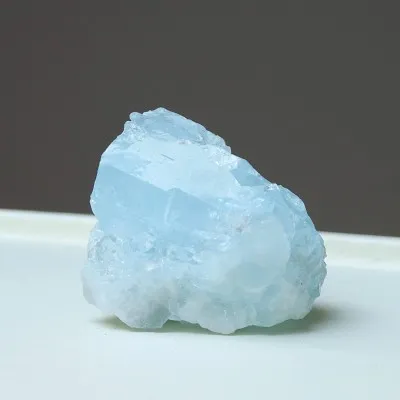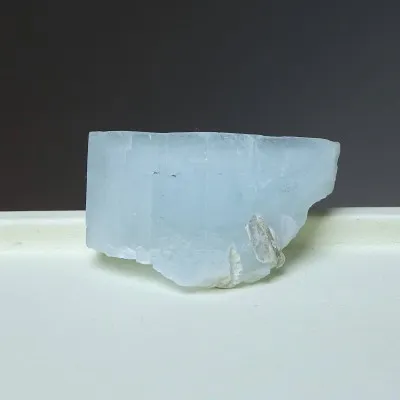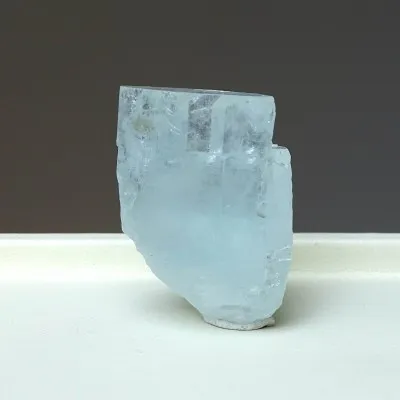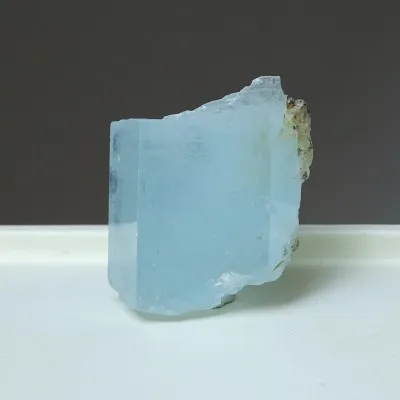
Price
$170.49
In stock
|
COOKIES SETTINGS |
Accept all cookies Personalise |
| Accept selected cookies |

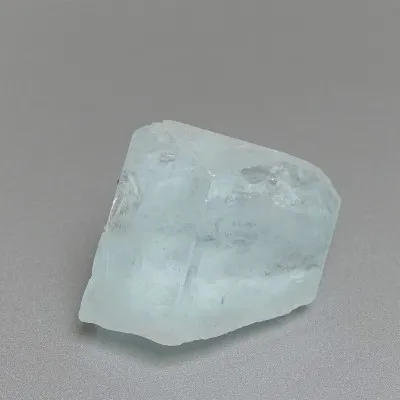
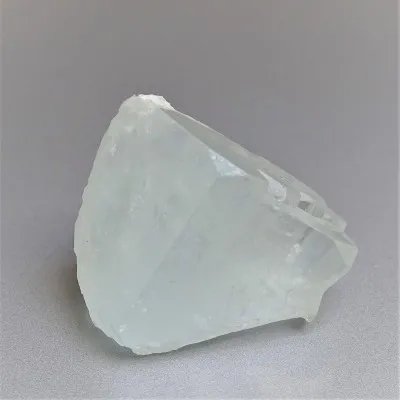
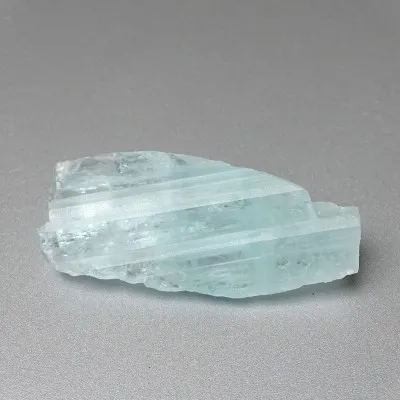
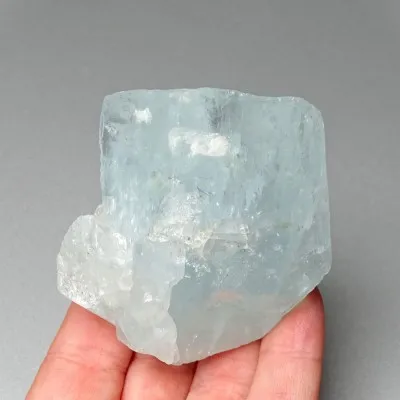
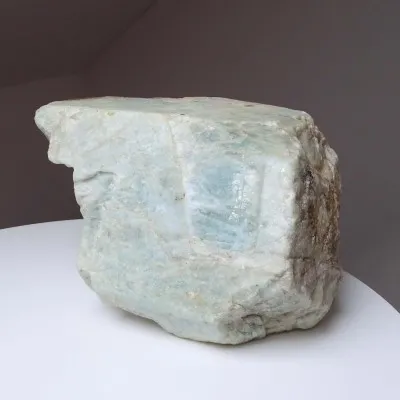
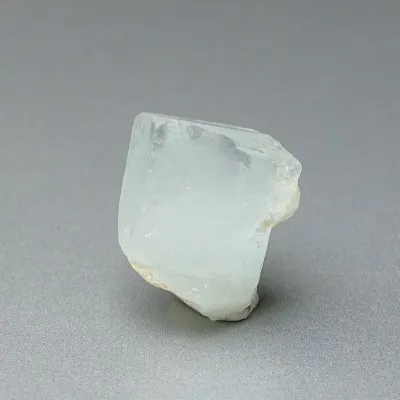
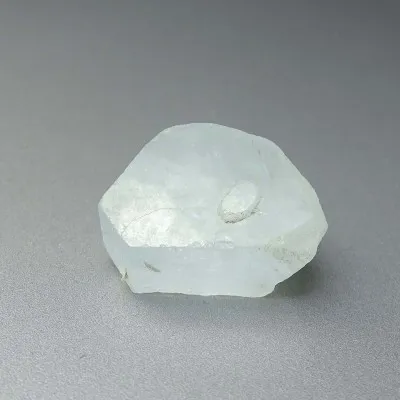
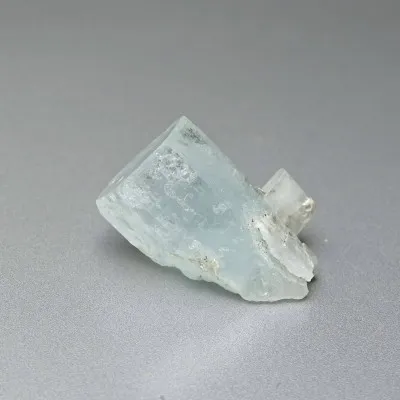
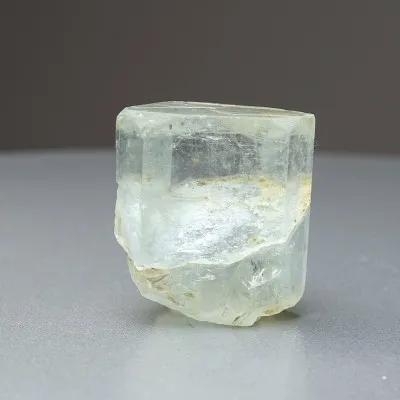
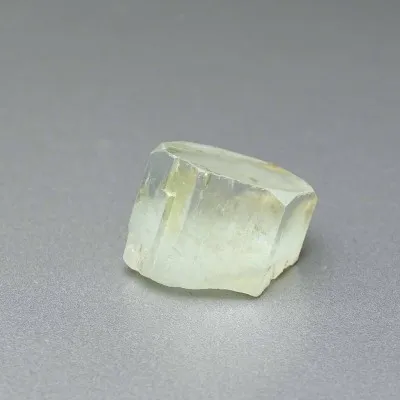
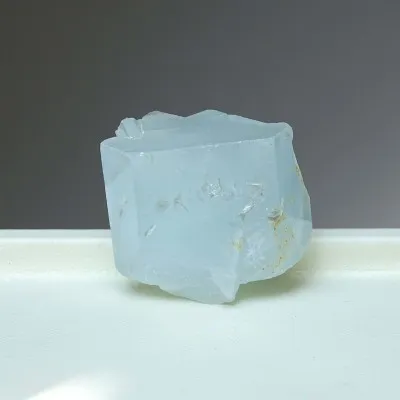
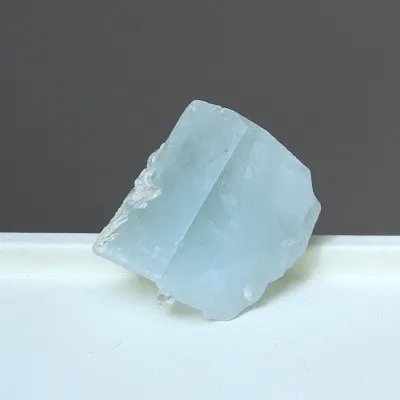
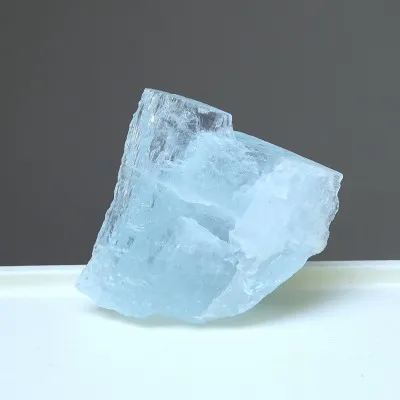
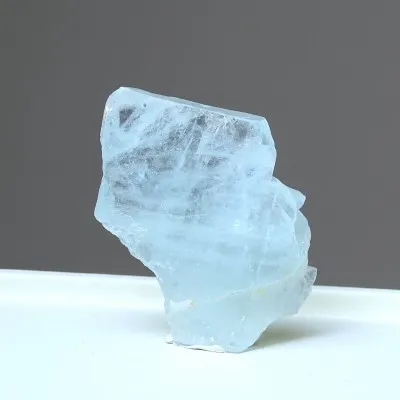
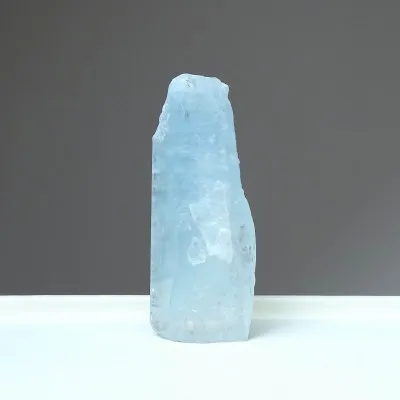
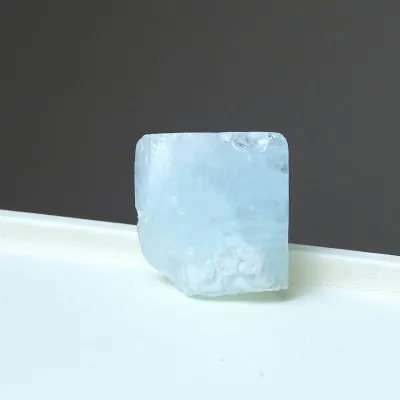
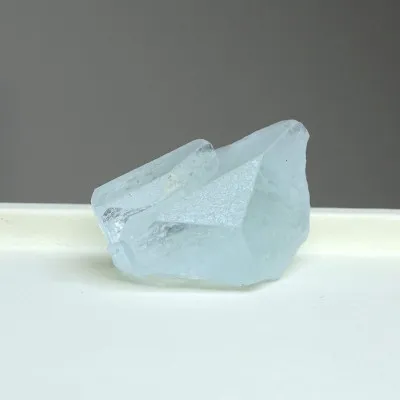
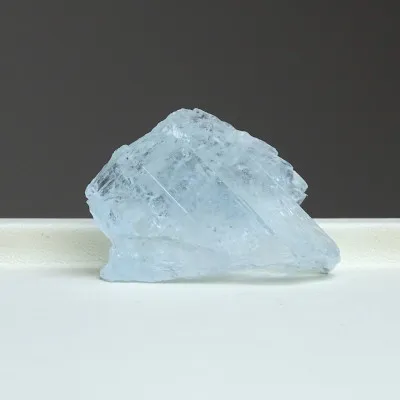
Aquamarine is a natural gemstone variety of the mineral beryl with the chemical formula Be₃Al₂Si₆O₁₈. It is characterised by its pale blue, sea-blue to blue-green colour, which resembles clear seawater. Its name is derived from the Latin expression aqua marina, meaning “seawater”.
Aquamarine belongs to the same mineral group as emerald, morganite, heliodor, goshenite and the rare red beryl. Individual varieties of beryl differ mainly in colour, which is caused by small quantities of various trace elements incorporated into the crystal structure. In aquamarine, the blue to blue-green colour is primarily associated with the presence of iron.
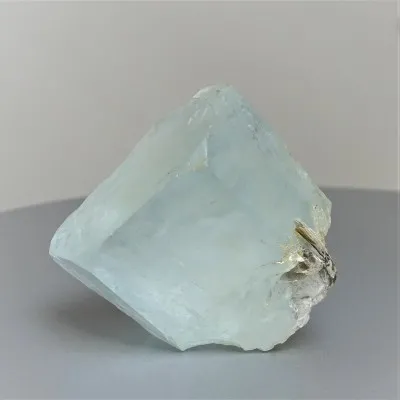
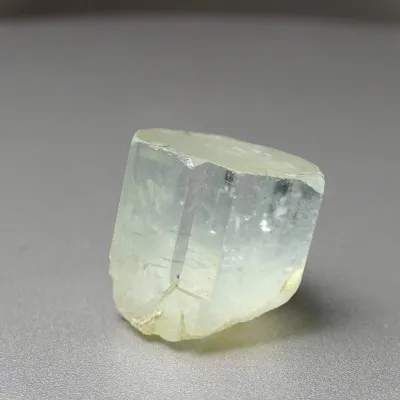
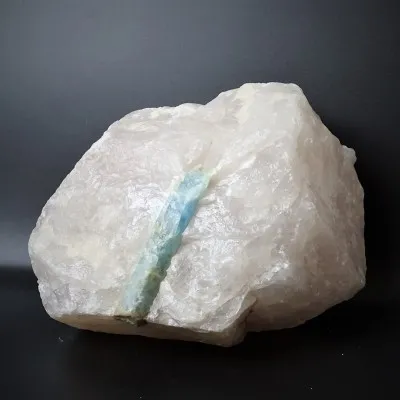
Natural aquamarines may be almost colourless with a subtle blue tint, pale blue, greenish blue or distinctly more intense blue. The most highly valued faceted stones generally display a clean, evenly distributed blue colour, good transparency, a high-quality cut and as few distracting inclusions as possible. In addition to faceted gemstones, naturally terminated crystals, crystal groups and aquamarines preserved on their original matrix are also highly sought after.
| Mineral group | Beryl |
| Chemical formula | Be₃Al₂Si₆O₁₈ |
| Mineral class | Cyclosilicates |
| Crystal system | Hexagonal |
| Colour | Pale blue, blue, greenish blue to blue-green |
| Hardness | 7.5–8 on the Mohs scale |
| Density | Approximately 2.68–2.74 g/cm³ |
| Lustre | Vitreous |
| Transparency | Transparent to translucent |
| Streak | White |
| Uses | Gemstones, jewellery, collector crystals and decorative minerals |
Aquamarine is a beryllium aluminium silicate belonging to the cyclosilicate mineral class. Its crystal structure consists of rings formed by six silicate tetrahedra, which create elongated channels. These channels may contain water molecules, alkali elements and other components capable of influencing the physical and optical properties of the mineral.
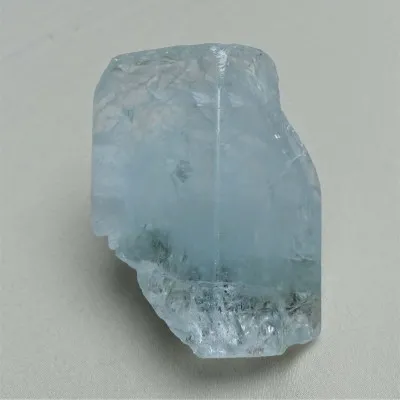
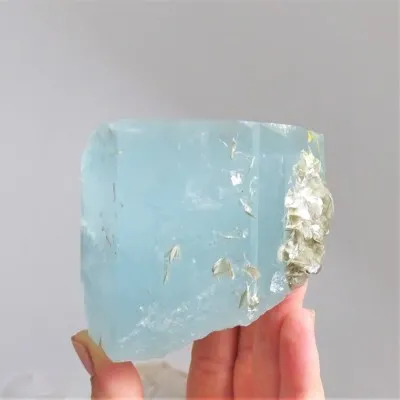
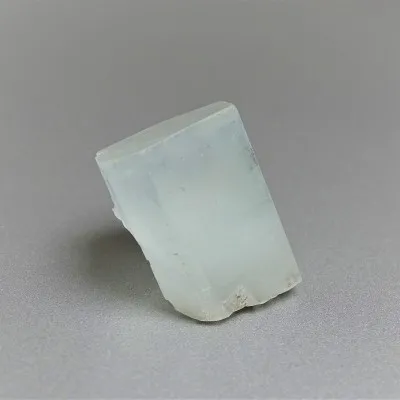
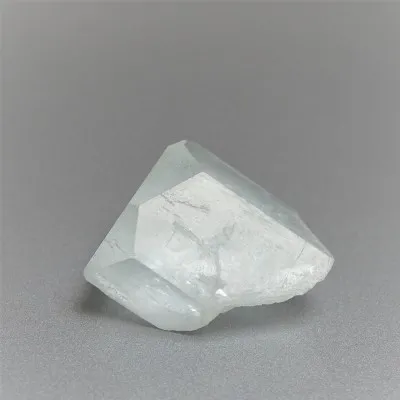
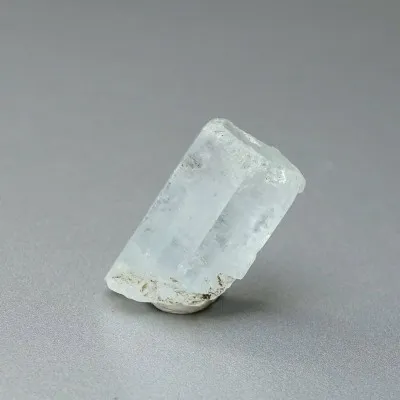
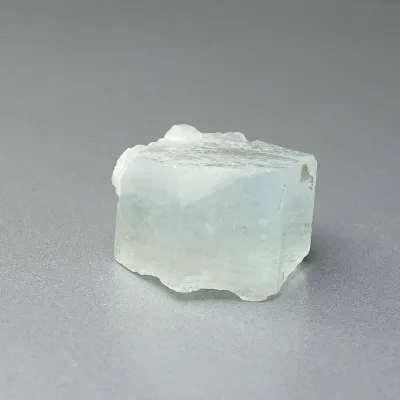
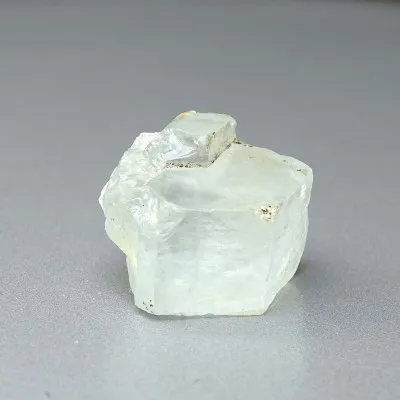
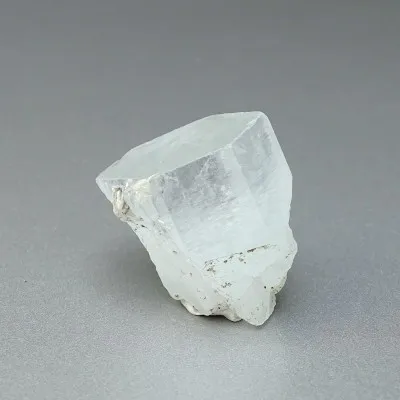
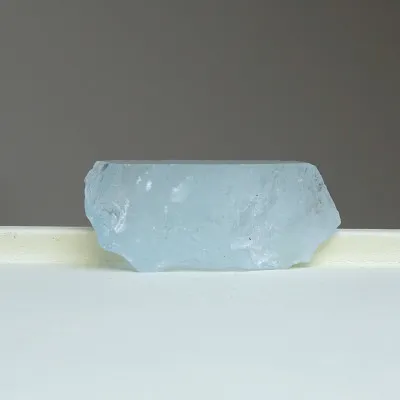
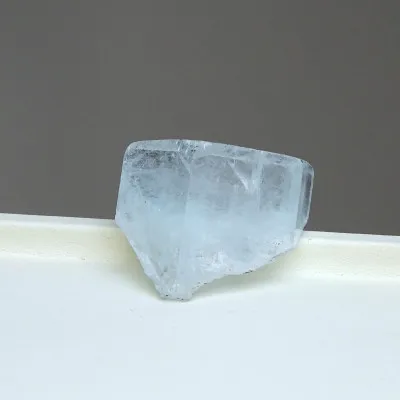
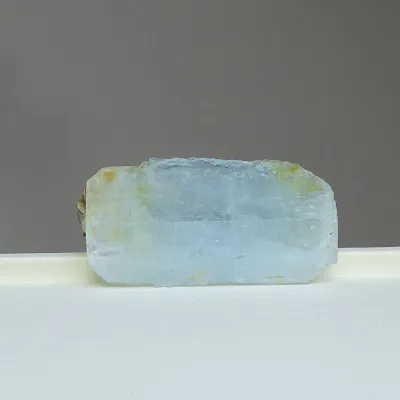
Aquamarine crystals usually form within the hexagonal crystal system. They commonly develop as elongated prismatic columns with fine longitudinal striations. The crystals may be slender and transparent, short and robust, barrel-shaped, partly cloudy or embedded in matrix rock. Well-formed specimens with undamaged edges and natural terminations are particularly desirable among mineral collectors.
Aquamarine has a hardness of 7.5 to 8 on the Mohs scale, giving it good resistance to ordinary scratching. Hardness, however, is not the same as toughness. A strong impact, a fall onto a hard surface or pressure applied to a naturally weakened area may cause the stone to crack or chip.
Aquamarine most commonly forms during the later stages of cooling and crystallisation of granitic magma. Its typical geological environment is represented by granitic pegmatites. These are exceptionally coarse-grained igneous rocks formed from residual magmatic melts enriched in water, gases and elements such as beryllium, lithium, boron and fluorine.
Within pegmatite cavities, minerals may crystallise slowly and, under favourable conditions, develop into very large and exceptionally well-formed crystals. Aquamarine crystals measuring several tens of centimetres are therefore known from certain deposits, while exceptional specimens may be considerably larger.
Aquamarine may occur together with quartz, albite, feldspar, muscovite, tourmaline, topaz, garnet, lepidolite and other varieties of beryl. These mineral associations can create exceptionally attractive and valuable collector specimens.
Aquamarine may also occur in hydrothermal veins and certain metamorphic rocks. Its exact appearance, colour, clarity and crystal form depend on the chemical composition of the geological environment, temperature, pressure and the conditions under which crystal growth took place.
The blue to blue-green colour of aquamarine is caused by small quantities of iron within the crystal structure of beryl. Different oxidation states of iron influence whether a stone appears pure blue, greenish blue or slightly yellowish. Naturally intense blue aquamarines are rarer than very pale blue stones.
Natural aquamarine occurs across a broad colour range, from almost colourless crystals with a delicate blue tint through pale sea-blue to stronger blue and greenish-blue shades. In faceted gemstones, a clean blue colour without a pronounced grey, brown or yellow undertone is generally considered especially desirable.
The colour should ideally be evenly distributed and clearly visible under normal daylight. Larger aquamarines may appear more intensely coloured than smaller stones because light travels through a greater volume of mineral material.
Aquamarine is frequently found in very clean crystals. For this reason, clearly visible inclusions are generally less desirable in faceted gemstones. In natural collector crystals, however, growth structures, fine channels, colour zoning, cavities and natural inclusions may form an interesting and distinctive part of the specimen.
Aquamarine may display weak to moderate pleochroism, meaning that different colour tones can become visible when the stone is viewed from different directions. An experienced gemstone cutter must therefore orient the rough material carefully so that the finished stone displays the cleanest possible blue colour and good light return.
The best-known and historically most important aquamarine deposits are located in Brazil. The state of Minas Gerais is particularly famous for producing large, clean crystals of gemstone quality that are used both for cutting and as valuable collector specimens.
Exceptional crystals also come from the mountainous regions of Pakistan, particularly Gilgit-Baltistan, Skardu and the Shigar Valley. Pakistani aquamarines are often pale blue to greenish blue and may form attractive mineral specimens together with albite, feldspar, muscovite or quartz.
Other important deposits are found in Afghanistan, Mozambique, Nigeria, Namibia, Zambia, Madagascar, Sri Lanka, Russia, China and the United States. Individual localities may differ considerably in their typical colour, crystal form, clarity and associated minerals.
In addition to faceted gemstones, natural aquamarine crystals may possess significant collector value. Collector specimens are assessed according to their size, colour intensity, transparency, preservation of original crystal faces, quality of the terminations, damage to the edges, locality and overall aesthetic appearance.
Freestanding, undamaged crystals with a distinct blue colour are particularly desirable. Aquamarines on matrix are also attractive, especially when associated with contrasting white albite, pale feldspar, lustrous muscovite or smoky quartz.
A rough aquamarine does not need to be completely transparent to possess collector value. Translucent crystals with colour zoning, unusual growth forms, cavities, inclusions or a distinctive geological mineral association can also be highly interesting.
With a hardness of 7.5 to 8, aquamarine is suitable for pendants, earrings, necklaces, brooches and rings. It is commonly cut into oval, round, rectangular, pear-shaped, cushion and emerald-style forms.
A faceted cut enhances the transparency, vitreous lustre and clean blue colour of the stone. Translucent material or rough containing a greater number of inclusions may also be fashioned into cabochons, beads, polished stones or small decorative objects.
Natural aquamarine can also be found among our faceted gemstones and jewellery stones. When selecting a stone, it is advisable to consider not only its carat weight, but also its actual dimensions, colour, clarity, proportions, cutting quality and available information about possible treatments.
Blue colour alone is not sufficient for the reliable identification of aquamarine. It may be confused with blue topaz, blue tourmaline or indicolite, coloured glass, synthetic spinel and other transparent blue materials.
Professional gemmological identification may include measurements of refractive index, birefringence, density, optical character and pleochroism, together with examination of internal features using a loupe or microscope. Natural aquamarines may contain fine tubular inclusions, growth channels, fluid inclusions or small mineral crystals.
Blue topaz has a higher density and different optical properties. Glass may contain rounded gas bubbles and generally does not display the same optical behaviour as natural beryl. Some imitations may appear convincing at first sight, but professional testing can distinguish them from genuine aquamarine.
For more valuable faceted stones, professional gemmological examination or a laboratory certificate is recommended. Neither visual appearance nor a commercial name alone confirms the authenticity of a gemstone.
Aquamarine and blue topaz may display a similar colour, but mineralogically they are completely different gemstones. Topaz has a higher density, perfect cleavage and different optical properties. The intense blue colour of a large proportion of blue topaz offered on the market is also produced by irradiation followed by heat treatment.
The most common treatment applied to aquamarine is heat treatment. Heating is used primarily to reduce yellowish or greenish tones and produce a cleaner blue colour. This treatment is widely accepted in the gemstone trade, and the resulting colour is generally stable under normal conditions.
In faceted aquamarines, heat treatment cannot always be reliably detected using standard gemmological methods. Both untreated natural stones and heat-treated aquamarines are therefore encountered on the market.
Ordinary aquamarine should be distinguished from so-called Maxixe beryl. Its dark blue colour may be produced by irradiation and may be less stable when exposed to light. Not every intensely blue beryl should therefore automatically be regarded as ordinary aquamarine.
The safest cleaning method uses lukewarm water, a small amount of mild soap and a soft brush or cloth. After cleaning, the stone should be rinsed thoroughly with clean water and dried carefully.
Avoid aggressive cleaning agents, acids, bleach, abrasive pastes and sudden temperature changes. Although aquamarine has a relatively high hardness, it may crack or chip if dropped onto tiles, glass, metal or another hard surface.
Ultrasonic cleaning is unsuitable for stones with visible fractures, significant inclusions, surface damage or an unknown treatment history. Gentle hand cleaning is safer for valuable jewellery and collector specimens. Steam cleaners are not recommended, particularly because of the risk of thermal shock.
Aquamarine jewellery should be removed during sport, manual work, household cleaning or when handling chemicals. Its high hardness mainly protects the stone from scratching, not from strong impacts.
Aquamarine should be stored separately from other minerals and pieces of jewellery. Due to its hardness, it may scratch softer stones, while harder materials such as diamond or corundum may damage the aquamarine.
Faceted stones and jewellery should be kept in a separate compartment of a jewellery box or in a soft fabric pouch. Collector crystals should be placed on a stable surface and kept away from shelf edges or locations where they could easily be knocked over.
When handling a specimen on matrix, hold it by a solid part of the matrix rather than by delicate or protruding crystals. Aquamarine should also be protected from extreme heat and sudden temperature changes during long-term storage.
Aquamarine was already known in ancient times. Its sea-like colour inspired numerous legends involving the ocean, sailors and marine deities. In ancient traditions, the stone was associated with Amphitrite, the wife of the god Poseidon, and with Aphrodite, who according to mythology was born from sea foam.
Another legend claimed that aquamarine came from the treasure chests of mermaids. Sailors therefore carried it as a protective symbol on long voyages. These stories have cultural and historical importance, but they do not describe scientifically proven properties of the mineral.
In modern jewellery, aquamarine became popular because of its elegant blue colour, good hardness and the possibility of cutting relatively large, clean stones. It also played an important role during the Art Deco period, when its cool tones were combined with geometric cuts, diamonds, platinum and white gold.
The value of faceted aquamarine is influenced by colour, clarity, weight, cutting quality, possible treatments and overall appearance. Stones with a stronger, clean blue colour, good transparency and a precisely executed cut generally achieve higher prices.
Carat weight alone is not the only measure of quality. The actual dimensions of the stone, evenness of colour, symmetry, proportions and quality of polish are equally important.
For collector crystals, additional factors include locality, size, natural terminations, undamaged edges, association with other minerals, quality of the matrix and the overall aesthetic balance of the specimen.
Aquamarine is a blue to blue-green gemstone variety of beryl with the chemical formula Be₃Al₂Si₆O₁₈.
Aquamarine reaches a hardness of 7.5 to 8 on the Mohs scale. It is resistant to ordinary scratching but may crack or chip when subjected to a strong impact.
Its blue to blue-green colour is caused by small quantities of iron within the crystal structure of beryl.
Important deposits are located in Brazil, Pakistan, Afghanistan, Mozambique, Nigeria, Namibia, Madagascar, Sri Lanka, Russia and the United States.
Aquamarine and emerald are both varieties of beryl. They differ in colour and in the trace elements responsible for their colouring.
Yes. Its hardness makes it suitable for pendants, earrings, necklaces and rings. However, it should still be protected from strong impacts.
Yes. Heat treatment is used to reduce greenish or yellowish tones and emphasise a cleaner blue colour.
The safest method uses lukewarm water, mild soap and a soft brush or cloth. The stone should then be thoroughly rinsed and carefully dried.
Reliable identification requires measurements of optical properties, refractive index and density. Blue topaz is denser and has different mineralogical properties.
Laboratory-created blue beryl does exist. However, imitations made from glass, synthetic spinel and other blue materials are more commonly encountered on the market.
The colour of ordinary natural aquamarine is stable under normal conditions. However, the colour of certain irradiated blue beryls of the Maxixe type may weaken when exposed to light.
It should be kept separately from other stones, in a soft pouch or individual compartment. Collector crystals should be placed securely and protected from falling.
MINERALS-STONES® is an international online shop offering a broad selection of natural minerals, crystals, mineral clusters, collector specimens, jewellery stones and faceted gemstones. Our range is carefully assembled with particular attention to natural origin, the actual appearance of each individual specimen, its mineralogical properties, locality and its collector or jewellery value.
Our product pages feature authentic photographs of every individual specimen offered for sale. Customers therefore receive exactly the mineral or gemstone shown in the product photographs. We provide the actual weight, dimensions, locality and other available information concerning origin, properties and possible treatments.
Selected faceted gemstones are supplied with a certificate or professional assessment. Every mineral is carefully selected and inspected before being added to our range. During dispatch, particular attention is paid to secure packaging so that each individual specimen is protected as effectively as possible during transportation.
All products are in stock and ready for fast dispatch. The principal benefits of MINERALS-STONES® include many years of experience, professional selection, accurate product descriptions, authentic photographs, a broad range of natural stones, secure packaging and fast order processing. Explore our current selection of natural minerals in the international MINERALS-STONES® online shop.
There are 37 products.