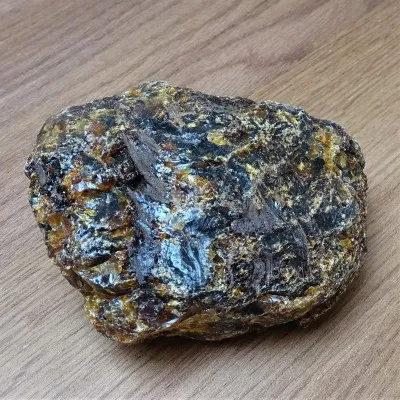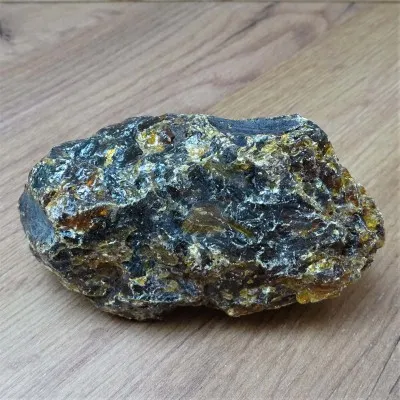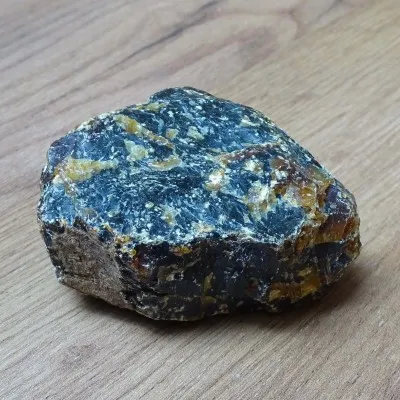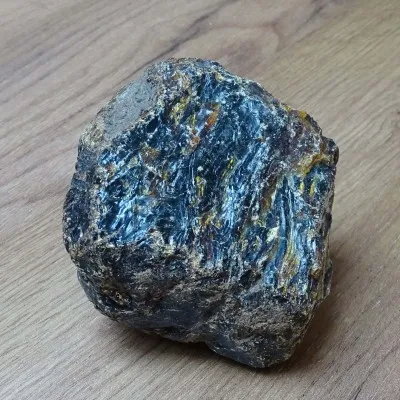
Price
$96.99
In stock
|
COOKIES SETTINGS |
Accept all cookies Personalise |
| Accept selected cookies |

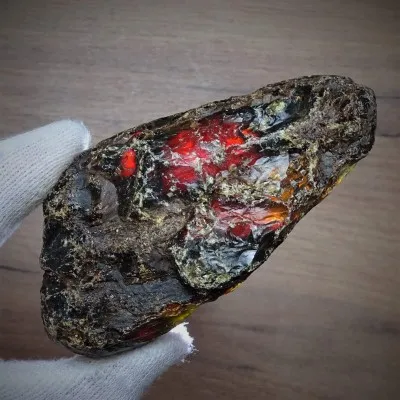
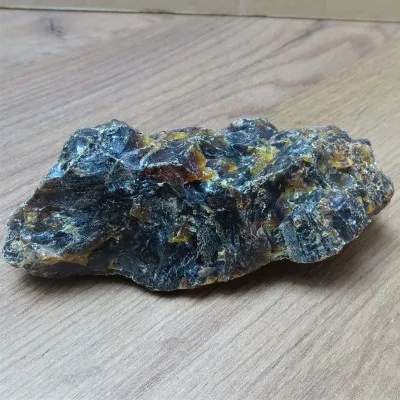
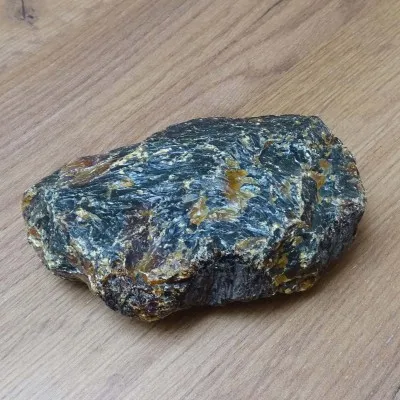
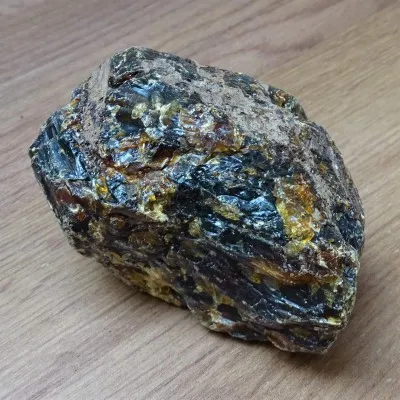
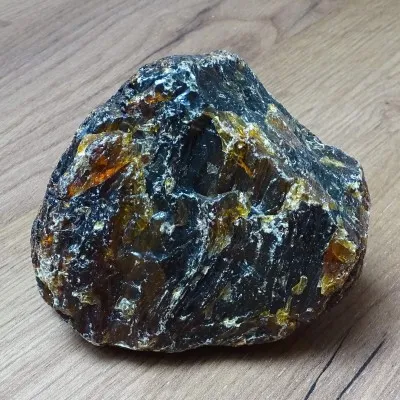
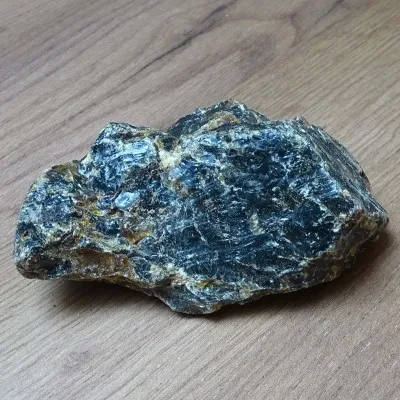
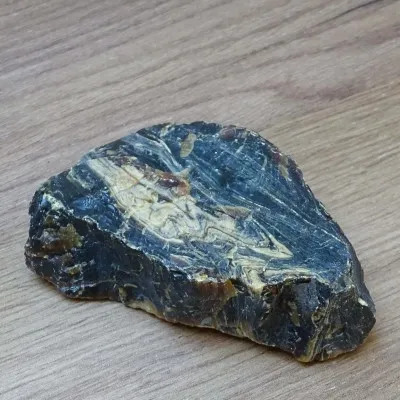
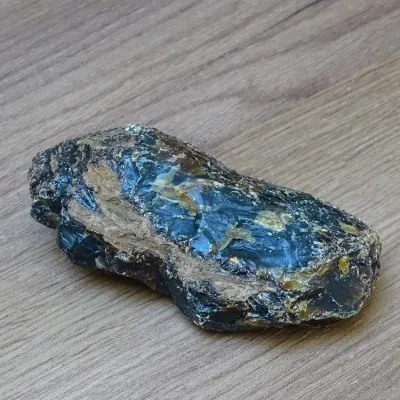
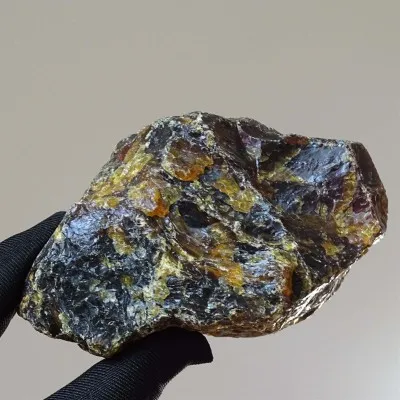
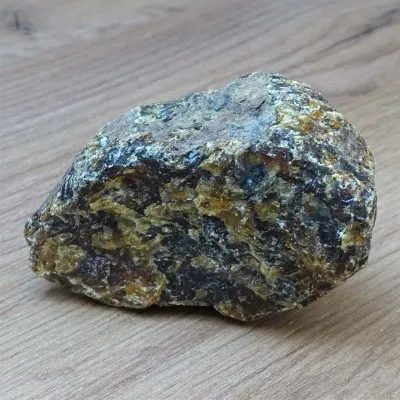
Amber is a natural organic material formed through the long-term transformation of resin produced by ancient trees. From a mineralogical perspective, it is not a true mineral because it does not have a uniform chemical composition or a regular crystal structure. Nevertheless, it is traditionally classified among organic gem materials and has been used for thousands of years to make jewelry, beads, decorative objects and collector’s specimens.
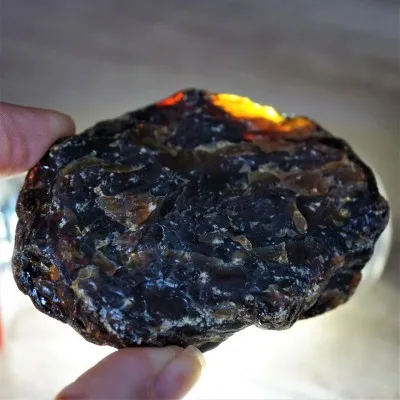
Amber most commonly occurs in yellow, honey, golden, orange and brown shades. White, cream, reddish, greenish and very dark varieties are also known. Its transparency ranges from almost clear to completely opaque. Cloudiness may be caused by microscopic bubbles, fine particles, plant remains or changes within the internal structure.
Some pieces of amber contain preserved plant fragments, pollen grains or small animals that became trapped in fresh resin before it hardened. These inclusions may have considerable paleontological value. Most commercially available amber is tens of millions of years old, although its age and origin vary according to the specific deposit.
| Name | Amber |
| Classification | Organic gem material, fossilized resin |
| Chemical composition | Variable mixture of organic resin compounds |
| Crystal system | Amorphous, without a regular crystal structure |
| Color | Yellow, honey, orange, brown, cream, reddish to dark |
| Hardness | Approximately 2–2.5 on the Mohs scale |
| Density | Approximately 1.05–1.10 g/cm³ |
| Luster | Resinous to greasy |
| Transparency | Transparent, translucent to opaque |
| Fracture | Conchoidal to uneven |
Amber originates from plant resin released by prehistoric trees after damage to the bark or as part of their natural defense system. Fresh resin flowed over the surface of the tree and trapped small impurities, plant fragments and occasionally insects or other small organisms.
After falling to the ground or entering water, the resin was gradually buried beneath sediments. In an environment with limited oxygen, chemical processes such as polymerization and oxidation continued over millions of years. The originally soft and sticky resin was slowly transformed into a solid and more stable fossil material.
Younger and less completely transformed fossil resins are known as copal. Amber and copal cannot always be distinguished reliably by appearance alone because both materials may have a similar color and overall appearance. Professional identification therefore relies on physical properties and laboratory methods such as infrared spectroscopy.
Amber occurs in sedimentary rocks from different geological periods. Material from individual regions varies in age, chemical composition, color, transparency and the types of preserved inclusions.
No. Amber is an organic gem material formed by the fossilization of plant resin and does not possess the regular crystal structure of true minerals.
Its age depends on the deposit. Many commercially used amber varieties are tens of millions of years old, although some known occurrences are considerably older.
Inclusions are enclosed plant fragments, pollen grains, air bubbles or small animals that became trapped in the resin before it hardened.
Copal is a younger and less completely transformed resin. It is generally softer, less stable and more sensitive to heat and certain solvents.
Amber consists mainly of organic resin compounds and has a low density. Some pieces can therefore float in strongly salted water.
Yes. Amber is relatively soft, can be scratched easily and is sensitive to high temperatures, sudden temperature changes, chemicals, perfumes and unsuitable cleaning products.
You always purchase the exact mineral or gem material shown in the photograph. Minerals-stones.com – a wide selection of minerals, crystals, stones, tektites, jewelry and gemstones from around the world. A reliable and verified international online store, with all items in stock and ready for immediate dispatch.
There are 15 products.