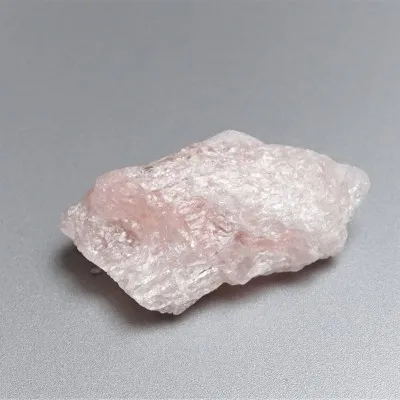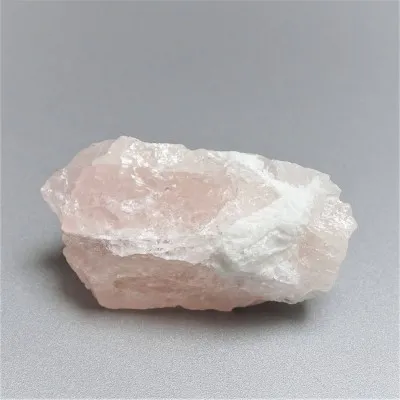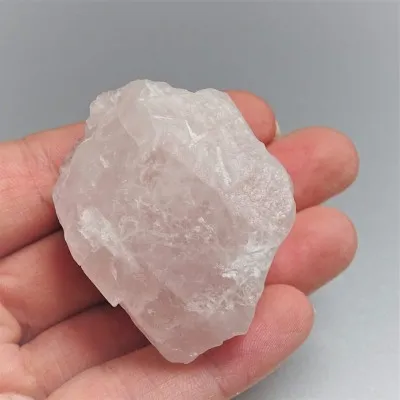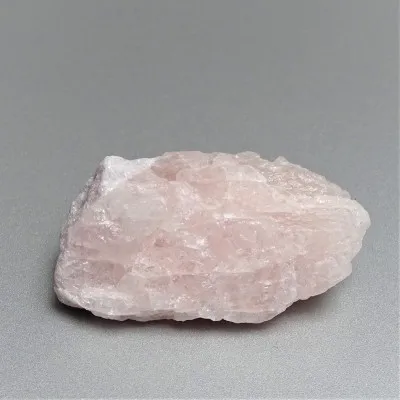
Price
$87.14
In stock
|
COOKIES SETTINGS |
Accept all cookies Personalise |
| Accept selected cookies |

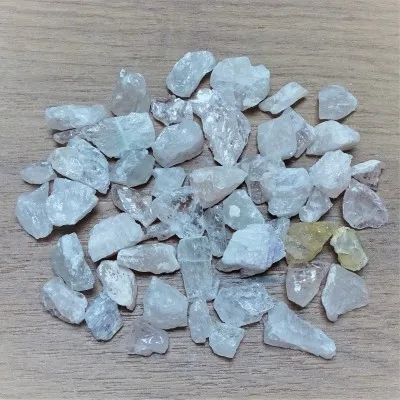
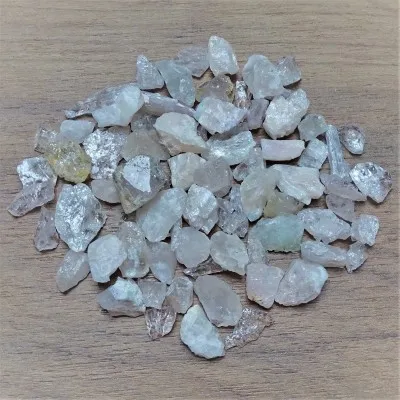
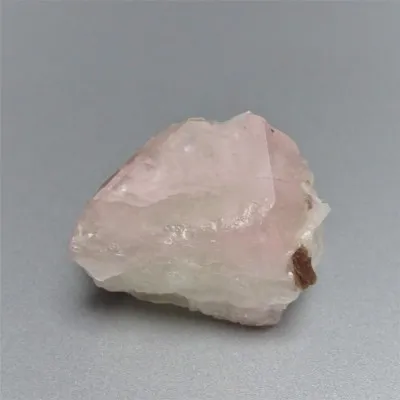
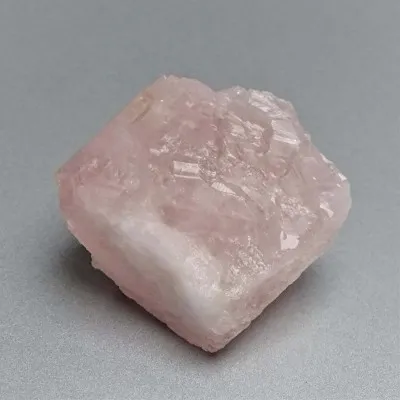
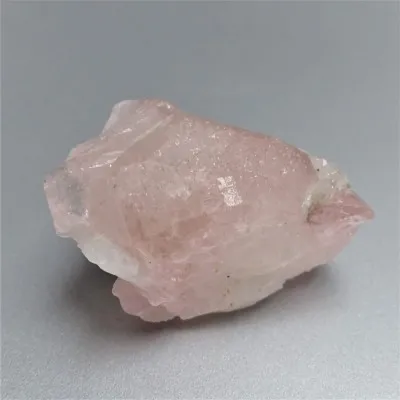
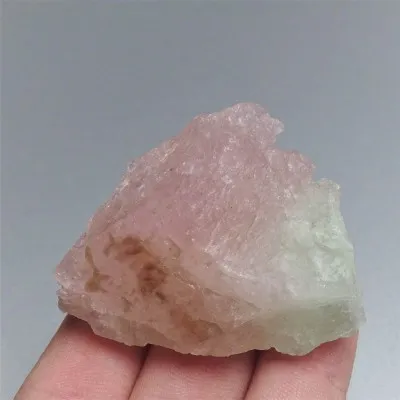
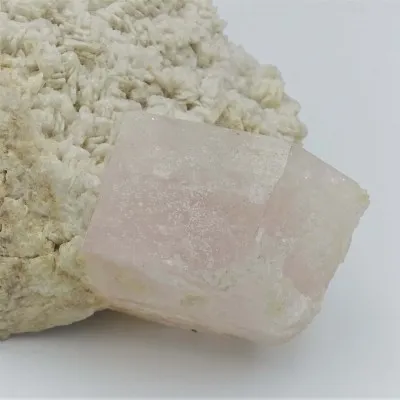
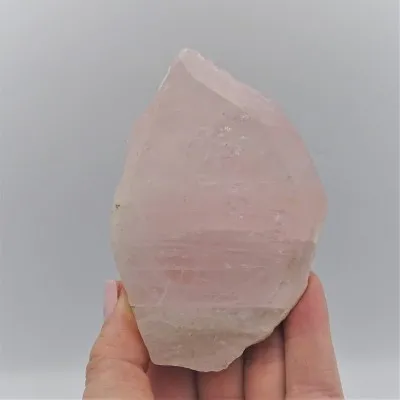
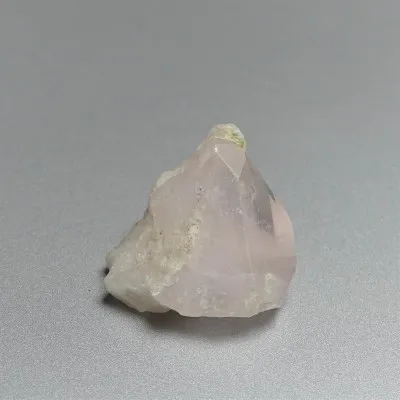
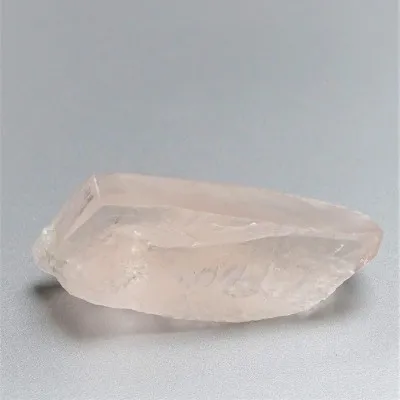
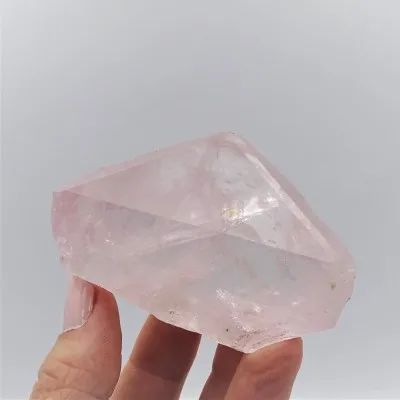
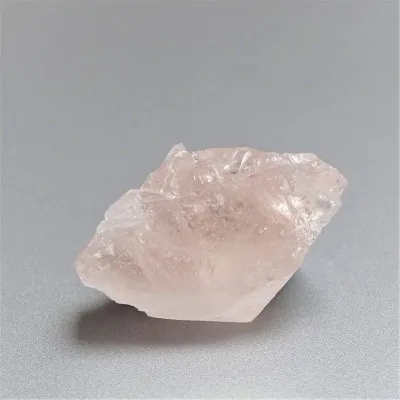
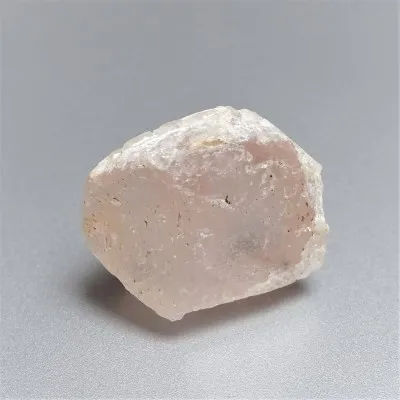
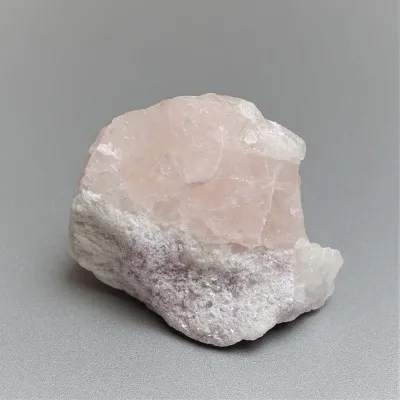
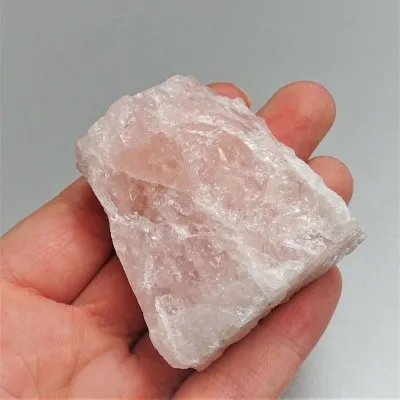
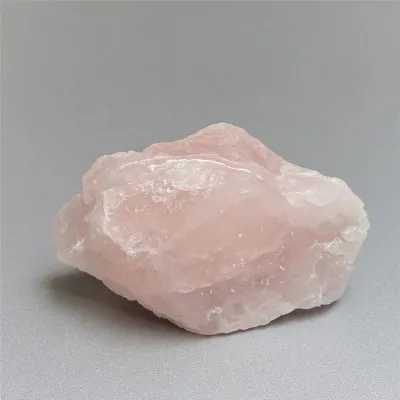
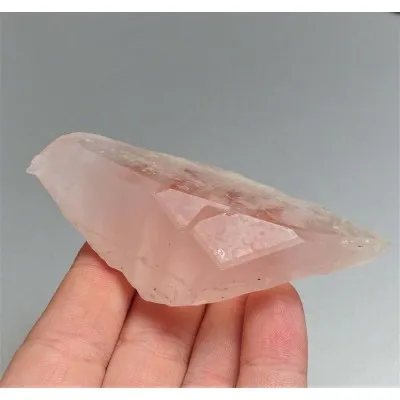
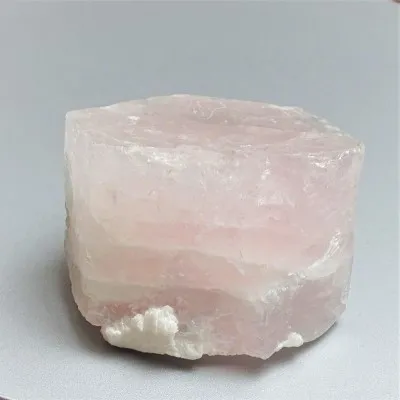
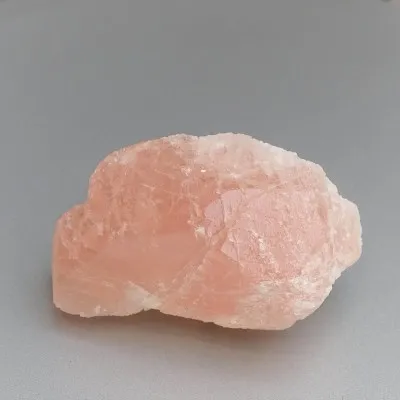
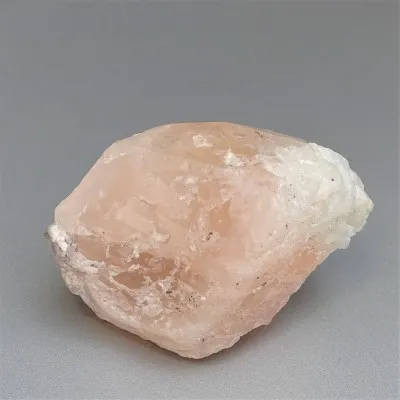
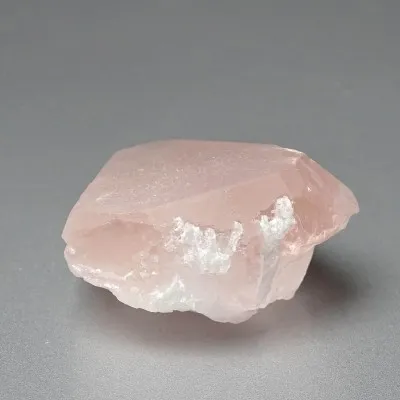
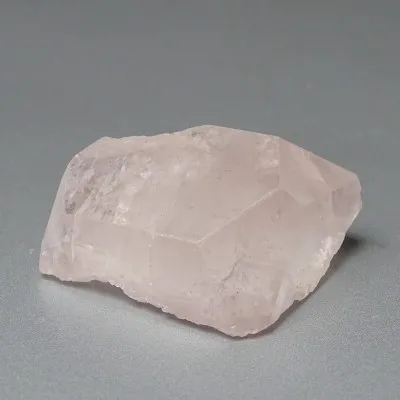
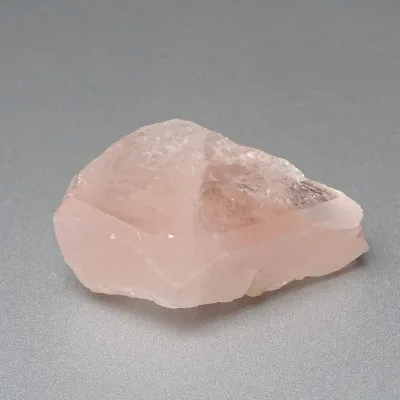
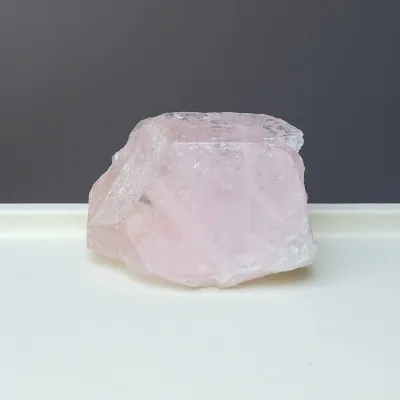
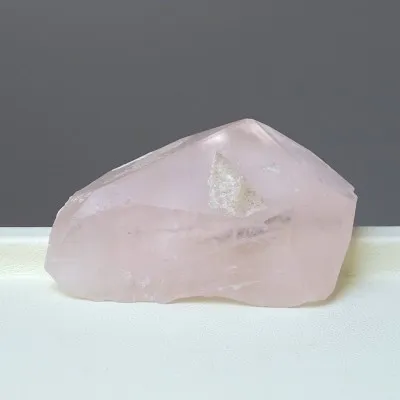
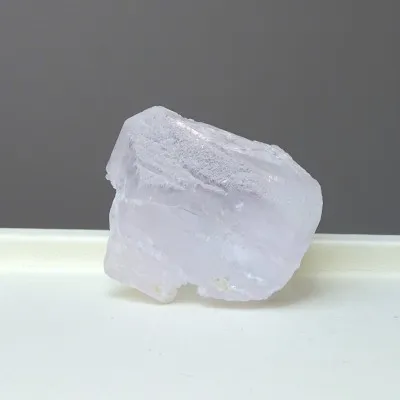
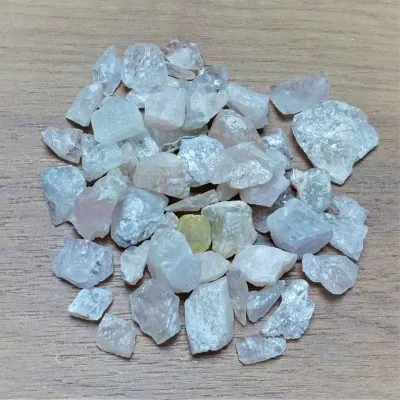
Morganite is a gemstone variety of the mineral beryl, characterized by delicate pink, salmon and peach-colored tones. Chemically, it belongs to the same mineral family as emerald and aquamarine, but its color is primarily associated with trace amounts of manganese within the crystal structure.
Morganite is known for its good hardness, vitreous luster and high transparency. Fine gemstone-quality specimens may appear nearly colorless with only a subtle pink tint, while others display stronger pink, purplish-pink or warm peach hues. Clarity, even color distribution and the quality of the cut are among the main factors that determine its value.
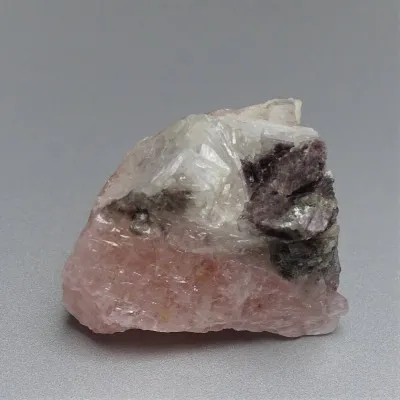
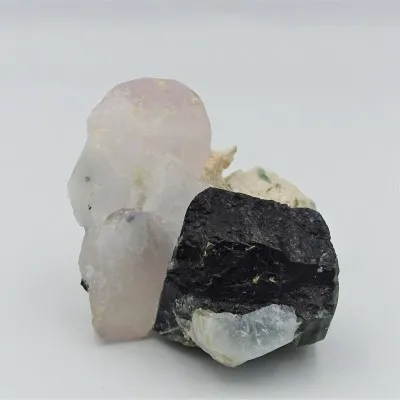
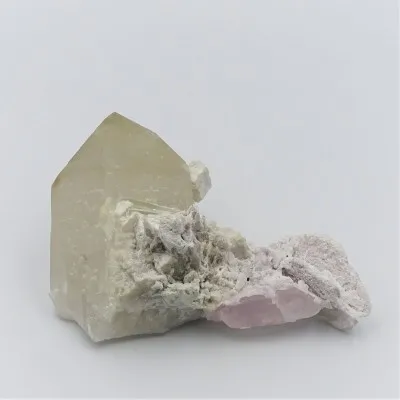
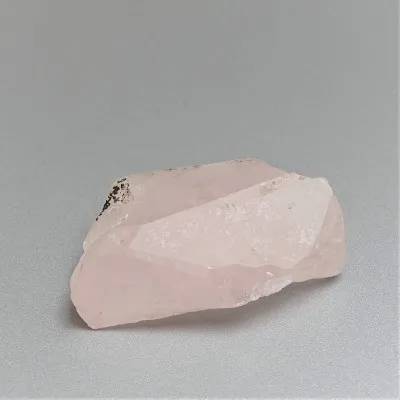
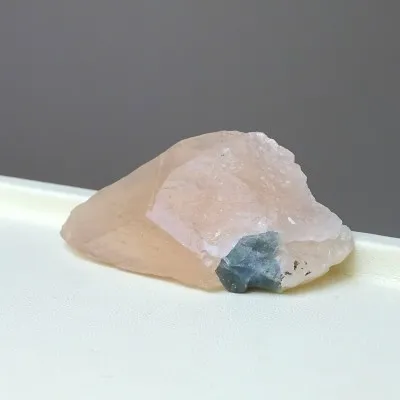
In nature, morganite forms hexagonal prismatic crystals, often reaching considerable sizes. It occurs mainly in granitic pegmatites together with minerals such as quartz, feldspar, tourmaline, lepidolite, spodumene and other varieties of beryl.
| Name | Morganite |
| Mineral group | Beryl |
| Chemical composition | Be₃Al₂Si₆O₁₈ |
| Crystal system | Hexagonal |
| Color | Pale pink, salmon, peach to purplish pink |
| Hardness | 7.5–8 on the Mohs scale |
| Density | Approximately 2.71–2.90 g/cm³ |
| Luster | Vitreous |
| Transparency | Transparent to translucent |
| Cleavage | Imperfect to indistinct |
Morganite forms mainly in granitic pegmatites, which are very coarse-grained igneous rocks crystallized from the final water-rich portions of magma enriched in volatile substances and rare chemical elements. These conditions allow large and well-developed crystals to grow.
Beryl forms when beryllium, aluminium, silicon and oxygen occur in the appropriate proportions within the rock-forming environment. The pink to peach coloration of morganite is caused mainly by manganese, which substitutes for part of the other elements within the crystal structure.
Morganite is commonly found together with albite, microcline, quartz, muscovite, lepidolite, tourmaline and spodumene. Individual crystals may range from a few millimeters to several tens of centimeters and can occasionally reach exceptionally large dimensions.
Natural morganite may be extremely pale pink to nearly colorless, but it can also display stronger peach, salmon or purplish-pink tones. Some stones exhibit pleochroism, meaning that different shades may be visible when the crystal is viewed from different directions.
Gemstone quality is assessed mainly according to color saturation and uniformity, clarity, weight and the quality of the cut. Morganites with good transparency and only a small number of visible inclusions are suitable for faceting. Material containing more inclusions may also be fashioned into cabochons, beads or polished collector stones.
Heat-treated morganite is also found on the market. Heating can reduce certain yellowish or orange tones and enhance the pink coloration. This is a common gemological treatment, but it should be disclosed transparently during sale whenever it is known.
Morganite occurs in several important pegmatite regions around the world. Individual deposits differ in color, clarity and crystal size.
Pink beryl was already recognized as a distinct gemstone variety at the beginning of the 20th century. The name morganite was introduced in honor of the American financier and prominent mineral collector John Pierpont Morgan, whose collections and support of mineralogy were highly significant during his lifetime.
Thanks to its attractive pastel tones, good hardness and the possibility of cutting larger clean stones, morganite is used mainly in jewelry. It is especially popular in rings, earrings, pendants, bracelets and necklaces, often set in white, yellow or rose gold.
Natural morganite crystals also have considerable collector value, particularly when they are well terminated, undamaged and retain their natural pink or peach coloration.
Morganite is a colored gemstone variety of the mineral beryl. Emerald, aquamarine and heliodor belong to the same mineral family.
The pink, salmon and peach tones are mainly caused by trace amounts of manganese within the crystal structure of beryl.
With a hardness of 7.5 to 8, morganite is suitable for jewelry. Nevertheless, it should be protected from strong impacts, scratching and sudden temperature changes.
Yes. Heat treatment is used to reduce yellowish or orange tones and enhance the pink color. It is a common and stable gemological treatment.
Morganite belongs to the beryl group, is harder, usually more transparent and has different optical and physical properties from rose quartz, which is a variety of quartz.
Cleaning with lukewarm water, mild soap and a soft brush or cloth is recommended. Ultrasonic and steam cleaning should be avoided for stones with significant inclusions.
You always purchase the exact mineral shown in the photograph. Minerals-stones.com – a wide selection of minerals, crystals, stones, tektites, jewelry and gemstones from around the world. A reliable and verified international online store, with all items in stock and ready for immediate dispatch.
There are 36 products.