Price
$272.78
In stock
|
COOKIES SETTINGS |
Accept all cookies Personalise |
| Accept selected cookies |

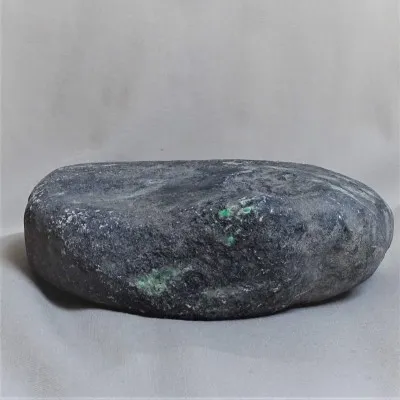
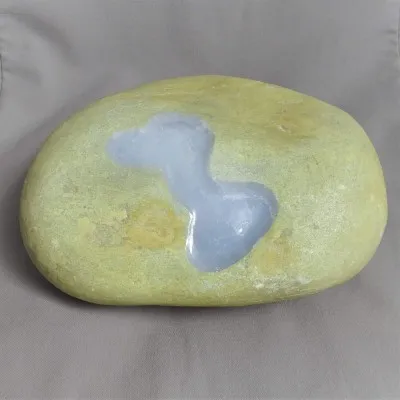
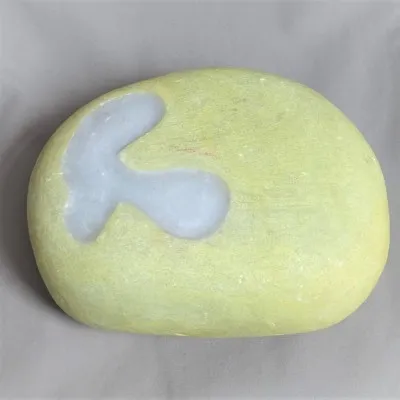
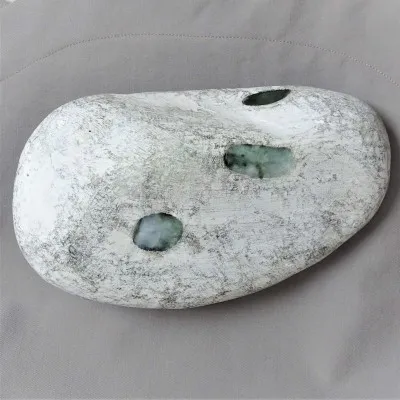
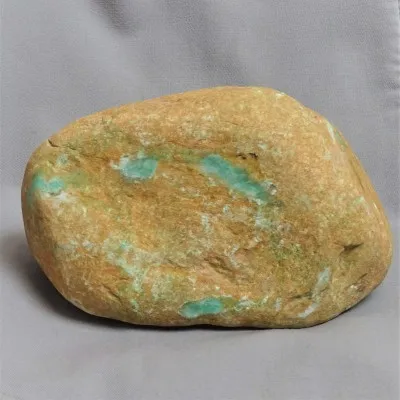
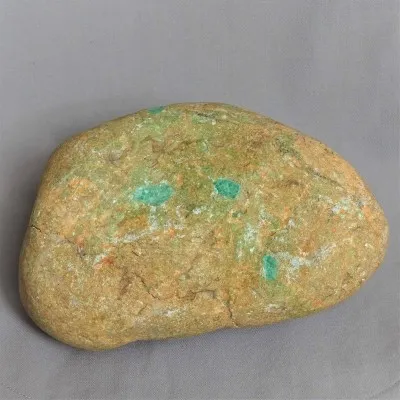
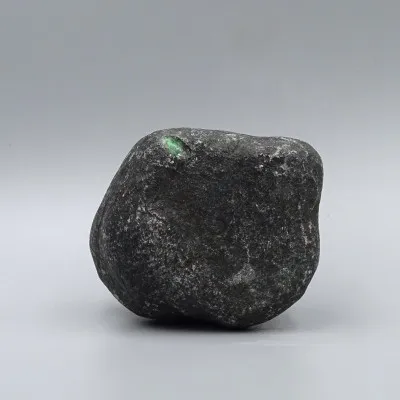
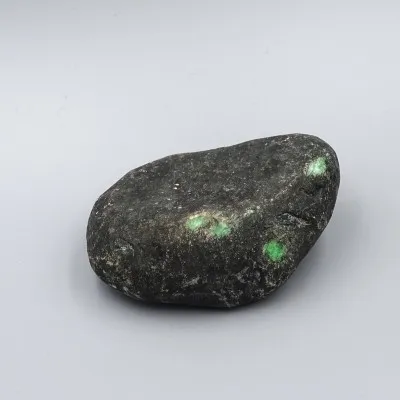
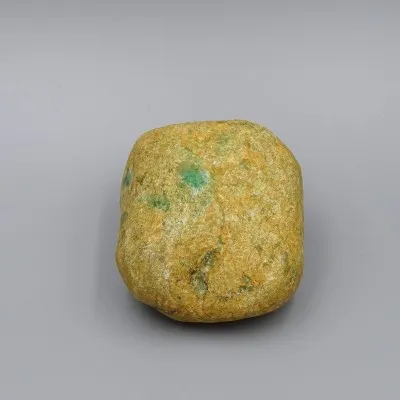
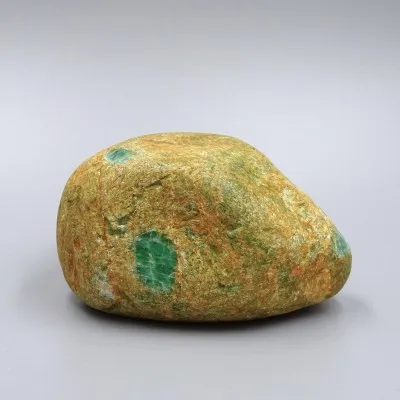
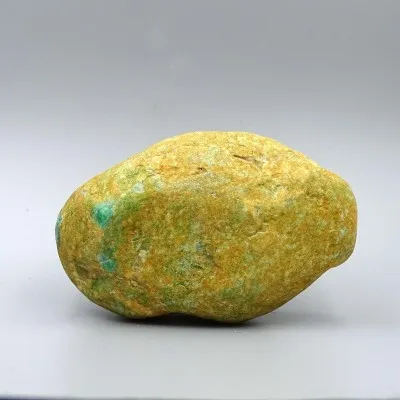
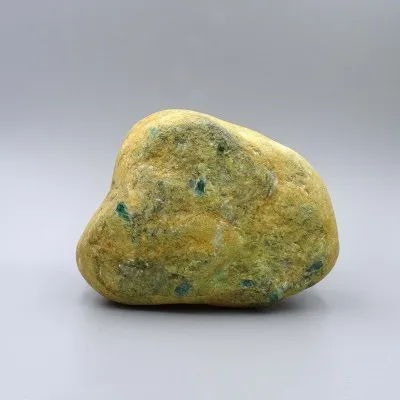
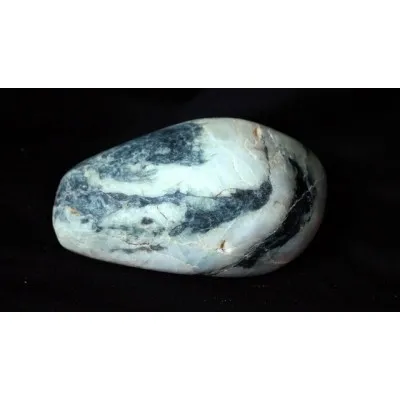
Jadeite is a sodium aluminum silicate belonging to the pyroxene group, with the chemical formula NaAlSi₂O₆. It is one of the world's most important gemstone and ornamental materials traditionally referred to as jade. However, the term jade does not describe a single mineral, but includes both jadeite and the mineralogically distinct nephrite, which belongs to the amphibole group. Jadeite is generally rarer, has a higher density, and is capable of displaying more vivid colors and greater translucency.
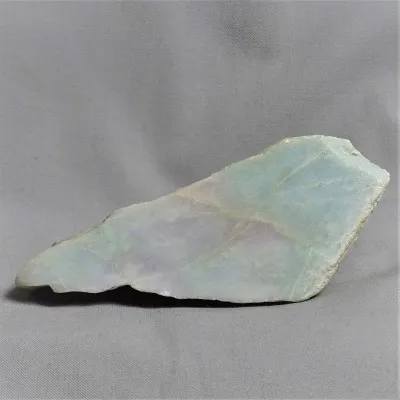
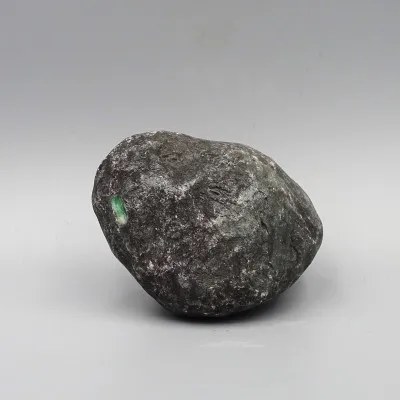
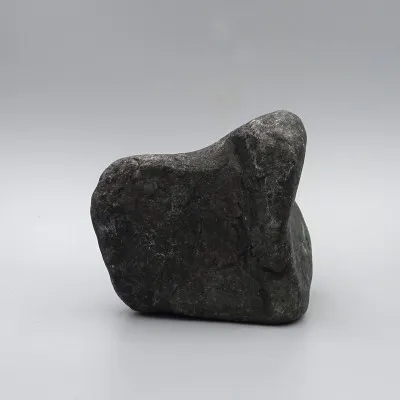
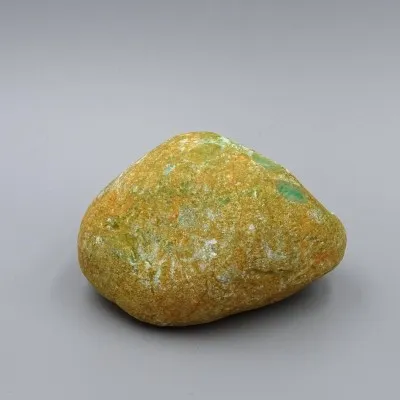
Although vivid green jadeite is the most famous variety, natural material also occurs in white, pale green, gray, yellow, orange, reddish-brown, lavender, blue-green and nearly black colors. Green shades are primarily associated with trace amounts of chromium, while iron and other elements may produce darker green, blue-green, yellowish or brownish hues.
In gem cutting and ornamental stone carving, individual crystals are rarely used. Instead, craftsmen work with fine-grained aggregates known as jadeitite. The tightly interlocking crystal structure gives the material exceptional toughness and resistance to breaking. For thousands of years, jadeite has therefore been used not only for jewelry but also for carvings, vessels, seals, ceremonial objects and historical tools.
| Name | Jadeite |
| Mineral group | Pyroxenes, clinopyroxenes |
| Chemical composition | Sodium aluminum silicate, NaAlSi₂O₆ |
| Crystal system | Monoclinic |
| Color | Green, white, gray, yellow, orange, lavender, blue-green to black |
| Hardness | Approximately 6–7 on the Mohs scale |
| Density | Approximately 3.24–3.43 g/cm³ |
| Luster | Vitreous, greasy to pearly |
| Transparency | Transparent to opaque, most commonly translucent |
| Typical rock | Jadeitite – a fine-grained rock composed predominantly of jadeite |
Jadeite forms under very specific geological conditions involving high pressure and relatively low temperatures, characteristic of subduction zones. In these environments, an oceanic tectonic plate is forced beneath another plate, carrying rocks deep into the Earth's crust without heating them enough to melt completely.
The mineral develops mainly through metasomatic processes within serpentinite bodies and rocks affected by high-pressure metamorphism. Chemically active fluids rich in sodium and silica penetrate fractures and react with the surrounding rocks, producing veins, lenses and irregular bodies of jadeitite.
Jadeitite consists of extremely fine, tightly interlocking jadeite grains, sometimes accompanied by omphacite, kosmochlor, albite and other associated minerals. This compact microstructure is responsible for the material's remarkable toughness. Although jadeite is not as hard as corundum or diamond, its interwoven crystal structure makes it highly resistant to impact and fracture.
The commercial and historical term jade refers to two distinct materials: jadeite and nephrite. Although they may appear similar, they differ significantly in chemical composition, density and internal structure. Jadeite belongs to the pyroxene group, whereas nephrite is a fine-grained amphibole rock composed primarily of tremolite and actinolite.
Jadeite generally has a higher density and may display brighter green, lavender, orange or nearly transparent areas. Nephrite is more commonly creamy white, gray-green to dark green and exhibits a characteristic fibrous structure. Both materials are exceptionally tough and have played an important role throughout history in art, carving and the production of decorative objects.
The most highly valued gemstone-quality jadeite is known as Imperial Jade. It is distinguished by its vivid emerald-green color, fine texture and excellent translucency. However, jadeite is not valued solely by its color. Transparency, color uniformity, texture, the presence or absence of fractures, size and overall workmanship are equally important quality factors.
High-quality jadeite forms only in limited geological environments. Important deposits are associated mainly with high-pressure metamorphic belts and serpentinite bodies within ancient or active subduction zones.
Jadeite is one of the two mineral materials collectively known as jade. The other is nephrite, which has a different chemical composition and belongs to the amphibole group.
No. Jadeite naturally occurs in white, gray, yellow, orange, reddish-brown, lavender, blue-green and nearly black varieties. Vivid green is simply its most famous and highly valued color.
Jadeite is a pyroxene mineral with a higher density, whereas nephrite consists of fine fibrous amphiboles. Jadeite may display brighter colors and greater translucency, although both materials are exceptionally tough.
Imperial Jade is the trade name for the highest-quality translucent jadeite displaying a vivid, even emerald-green color. It is considered one of the rarest and most valuable varieties of jadeite.
No. In addition to cabochons, beads, pendants and bracelets, jadeite is widely used for carvings, sculptures, vessels, seals, decorative objects and collectible polished specimens.
Natural untreated jadeite can be cleaned using lukewarm water, mild soap and a soft cloth. Strong impacts, aggressive chemicals, acids, steam cleaning and sudden temperature changes should be avoided.
You always purchase the exact mineral shown in the photograph. Minerals-stones.com – a wide selection of minerals, crystals, stones, tektites, jewelry and gemstones from around the world. A reliable and verified international online store, with all items in stock and ready for immediate dispatch.
There are 17 products.