|
COOKIES SETTINGS |
Accept all cookies Personalise |
| Accept selected cookies |

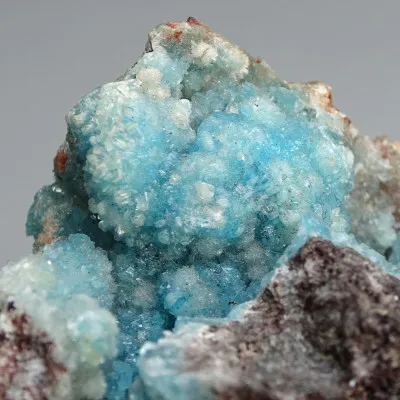
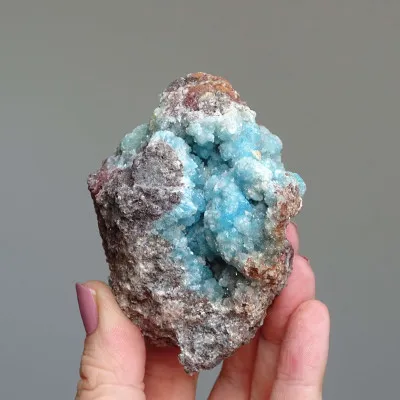
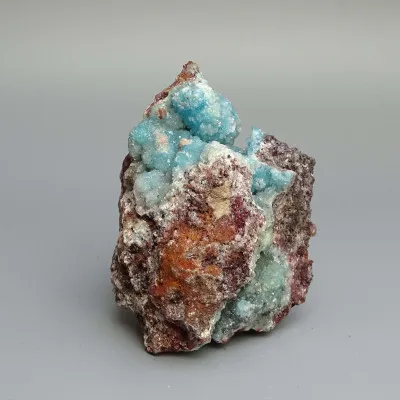
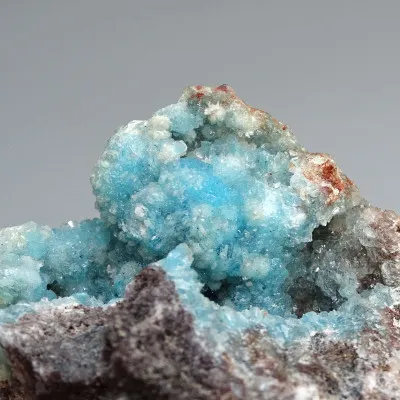
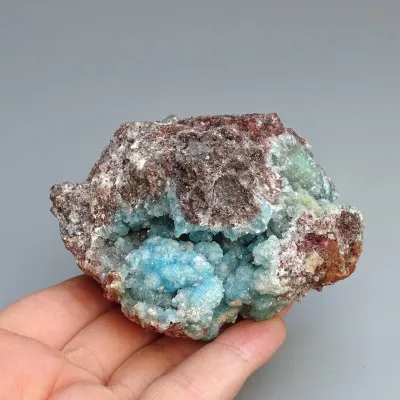
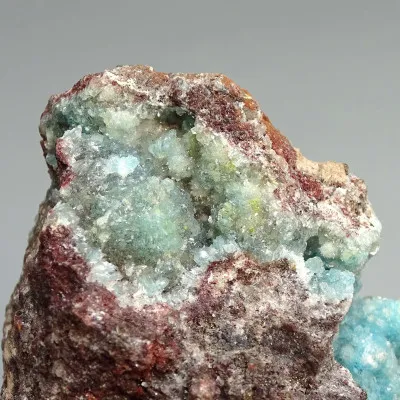
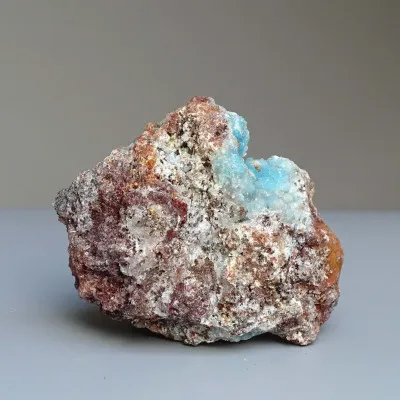
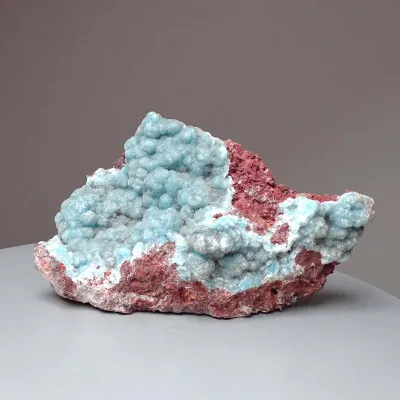
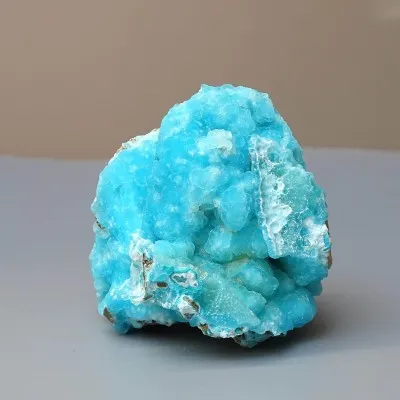
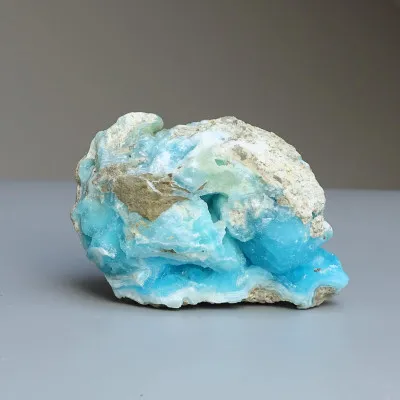
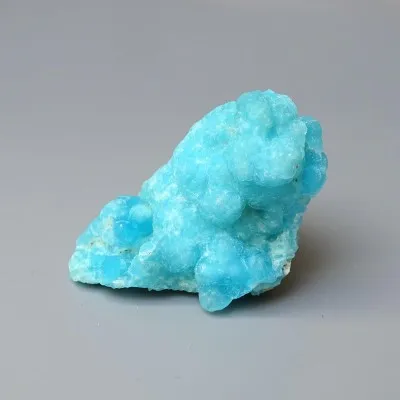
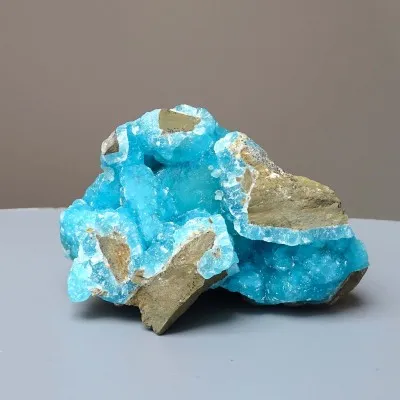
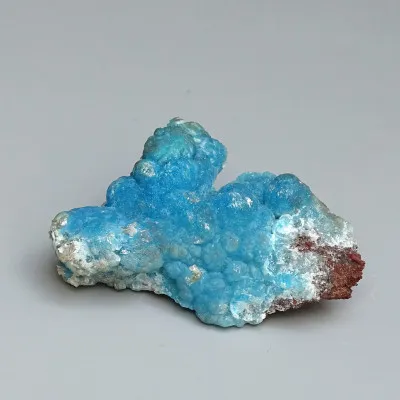
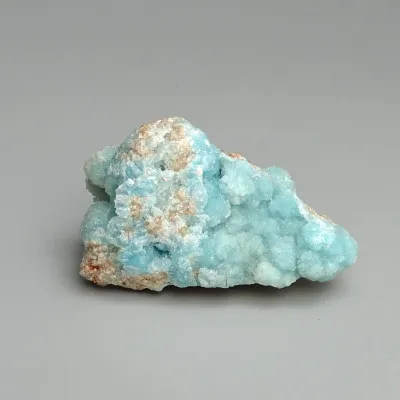
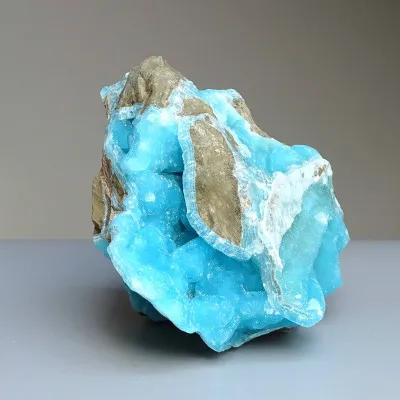
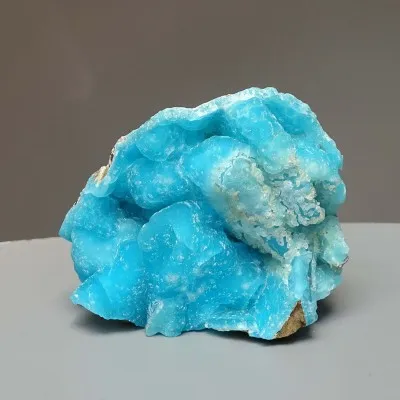
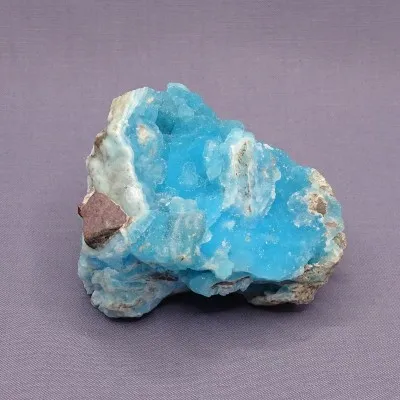
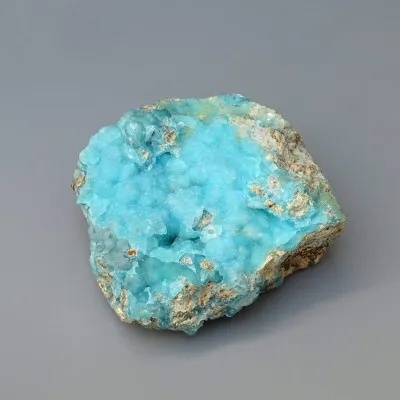
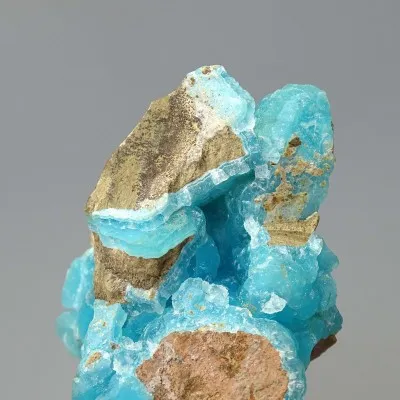
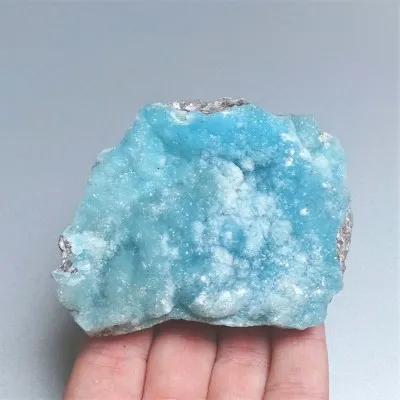
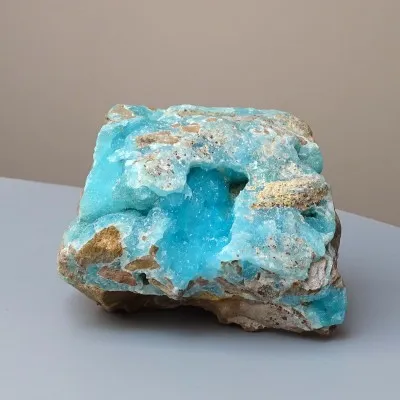
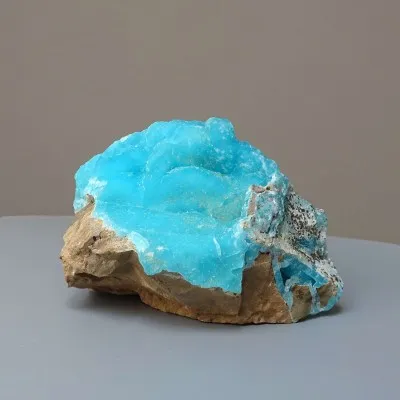
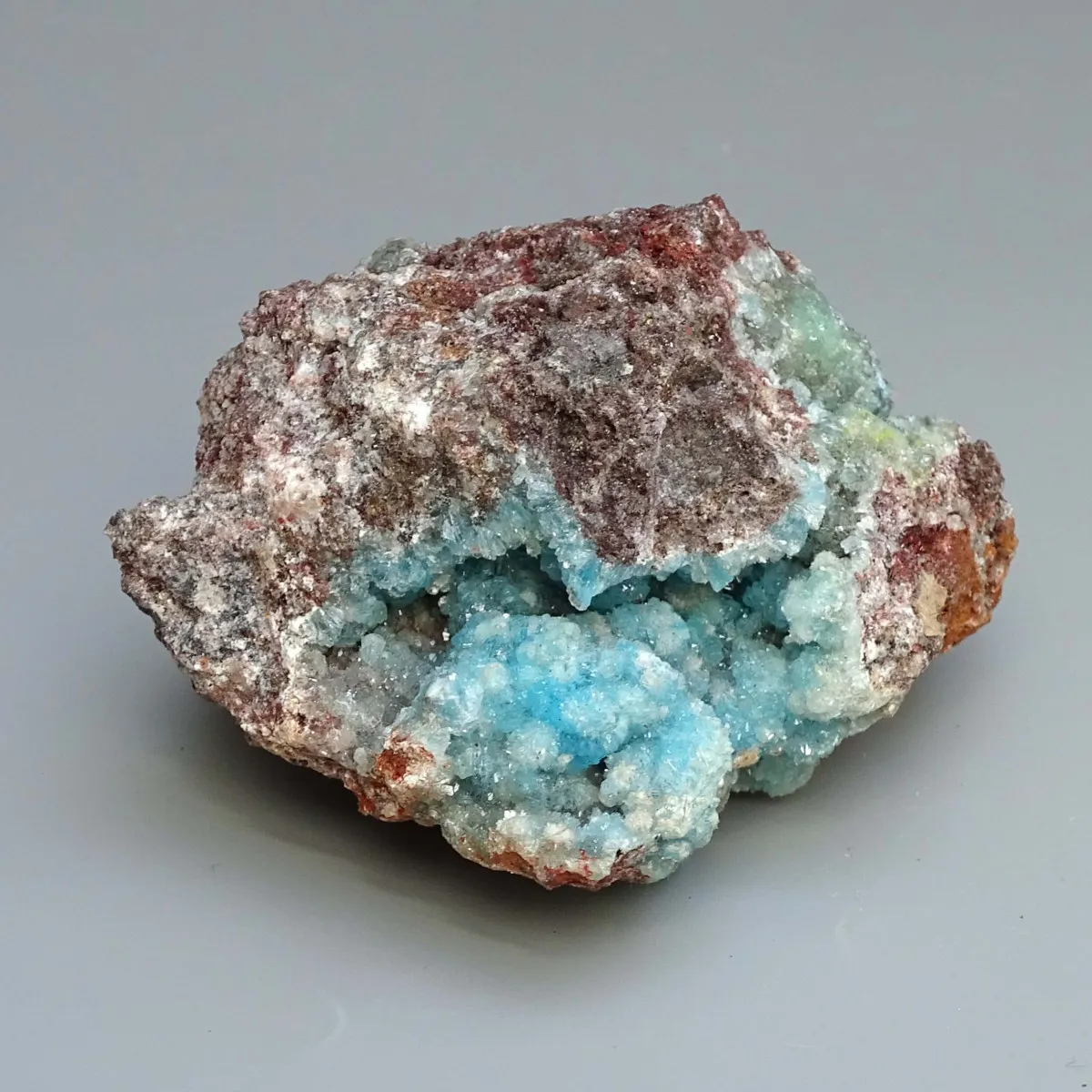
Hemimorphite – a rare mineral from Congo. Due to its beauty and rarity, hemimorphite is highly valued among mineral collectors. We offer a collector's item. This rare specimen is suitable for mineral collections, for lovers of fine structure and as a decorative element. Due to its origin from Congo and the quality of crystallization, this is a collector's item.
Weight: 291 g
Dimensions: 8.42 x 6.49 x 4.92 cm
Color: turquoise light blue
Location: Congo
You always buy the mineral shown in the photo!
Hemimorphite from Congo belongs among highly attractive collector minerals. It is especially valued for its light blue to turquoise color, icy-looking surface, layered structure and contrast with the natural rock matrix. Hemimorphite is a secondary zinc mineral that forms in the oxidation zones of zinc-bearing ore deposits. Aesthetic specimens from the Congo region are sought after mainly for their vivid color, natural cavities, crusts, glossy to silky surfaces and decorative appearance suitable for mineral collections and representative display cabinets.
Hemimorphite is a hydrated basic zinc silicate with the chemical formula Zn4Si2O7(OH)2 · H2O. It forms mainly through the alteration of zinc minerals in the oxidation zones of ore deposits, where water, oxygen and silica-rich solutions take part in mineral transformation.
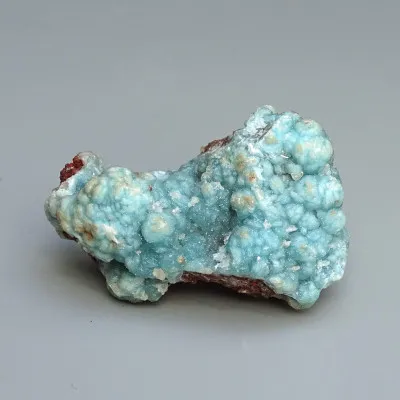
For collectors, hemimorphite is valued mainly for blue to turquoise aggregates, crystalline coatings, cavities, layered rims, botryoidal structures and contrast with the host rock. For specimens described as Congo hemimorphite, an exact locality should be stated only when it is genuinely documented.
The table is inserted as a fixed HTML table with horizontal scrolling on mobile devices so it does not collapse into narrow columns.
| Property | Data | Collector significance |
|---|---|---|
| Name | Hemimorphite | A mineral typical of oxidation zones in zinc deposits. |
| Chemical composition | Zn4Si2O7(OH)2 · H2O | Hydrated basic zinc silicate. |
| Mineral group | Silicates, secondary zinc minerals | An important mineral for understanding the alteration of zinc ores. |
| Crystal system | Orthorhombic | May form tabular, needle-like, radiating, crust-like and botryoidal aggregates. |
| Hardness | Approximately 4.5–5 on the Mohs scale | Harder than calcite, but still requires careful handling. |
| Luster | Vitreous, pearly to silky | Glossy blue areas strongly enhance the visual appeal of the specimen. |
| Color | White, colorless, blue, turquoise, blue-green, grey, yellowish | Strong blue to turquoise specimens are among the most decorative forms. |
| Aggregate forms | Crusts, coatings, cavities, kidney-shaped and botryoidal aggregates, layered structures | Shape and structure are just as important for collector value as color. |
| Typical associated minerals | Smithsonite, sphalerite, galena, cerussite, calcite, willemite, malachite, limonite | Associated minerals help indicate the geological environment of the specimen. |
Hemimorphite forms as a secondary mineral in the oxidation zones of zinc ore deposits. Where original zinc minerals such as sphalerite come into contact with oxygen, water and silica-rich solutions, new mineral phases can form. Hemimorphite is one of them.
In nature, hemimorphite often fills cavities, cracks and irregularities in the host rock. It may form thin coatings, crusts, layered aggregates, finely crystalline surfaces or rounded botryoidal forms resembling clusters of small grapes.
The blue to turquoise color may be related to impurities, aggregate structure and the specific geochemical environment. In collector specimens, the natural appearance, contrast with the matrix and preservation of the surface are especially important.
Hemimorphite can be inconspicuously white, colorless or grey-white, but the most attractive collector specimens are blue, turquoise and blue-green. Light blue hemimorphite on natural matrix looks highly decorative and often resembles icy, watery or tropical turquoise structures.
| Color | Possible appearance | Collector significance |
|---|---|---|
| White to colorless | Fine crystalline coatings, cavities or pale aggregates. | Mineralogically interesting, but usually less striking than blue specimens. |
| Light blue | Icy blue to aquamarine-like aggregates on matrix. | Very attractive decorative and collector appearance. |
| Turquoise | Stronger blue-green areas, often with a layered structure. | Among the most visually expressive types of hemimorphite. |
| Blue-green to grey-green | Natural shades influenced by matrix and impurities. | Especially interesting in well-preserved specimens with strong structure. |
Hemimorphite occurs at many localities worldwide associated with zinc mineralization. It forms mainly in oxidation zones of deposits where original zinc ores are transformed into secondary minerals. For this reason, it is often accompanied by smithsonite, sphalerite, galena, cerussite, calcite, limonite, willemite or other minerals of ore environments.
Congo is commercially associated with attractive blue to turquoise hemimorphites from African ore districts. For individual specimens, it is useful to distinguish whether an exact locality is documented, such as a specific mine, region or province. When an exact locality is not documented, it is safer to state generally “Congo” or “Congo region” without further specification.
World-known hemimorphite areas include zinc deposits in China, Mexico, the USA, Namibia, Zambia, Europe and other regions. Each locality may produce a different appearance: from white crystalline coatings through blue aggregates to pronounced botryoidal or layered structures.
For collector-grade hemimorphite, origin is important. Equally important, however, is the actual appearance of the individual specimen – color, size, condition, luster, contrast with the matrix and overall aesthetics.
Hemimorphite is a hydrous zinc silicate with the formula Zn4Si2O7(OH)2 · H2O. It can be blue, white, blue-green or greyish.
Smithsonite is zinc carbonate, ZnCO3. It can have similar blue or green tones, but chemically it is a different mineral.
Chrysocolla is a hydrated copper silicate and is also often blue-green. Therefore, correct identification, origin and expert description are important for blue specimens. These minerals should not be confused in product descriptions.
Hemimorphite is a delicate mineral and may be sensitive to impact, pressure, sudden temperature changes and improper cleaning. Specimens with cavities, coatings and finely crystalline surfaces should be handled very carefully to prevent chipping or surface damage.
Ultrasonic cleaning, steam, aggressive chemicals, acids, hard brushes and long soaking are not recommended. For normal care, a fine dry brush, a soft cloth or careful dust removal without pressure is sufficient.
Hemimorphite should be stored separately from harder minerals and should not be kept in an environment where mechanical damage may occur. Decorative matrix specimens look best in a display cabinet or stable exhibition setting.
Hemimorphite is primarily sought after as a collector mineral. Blue and turquoise specimens are highly aesthetic and can significantly enrich a collection of zinc minerals, secondary minerals or colorful mineral aggregates.
It is not a typical stone for everyday jewelry. Its main value lies in its natural color, structure, origin, crystalline surface and the overall appearance of the specific specimen.
Hemimorphite is a hydrated basic zinc silicate. It forms mainly in oxidation zones of zinc-bearing ore deposits.
The chemical formula of hemimorphite is Zn4Si2O7(OH)2 · H2O. It is a zinc silicate containing hydroxyl groups and water.
Hemimorphite occurs in zinc deposits worldwide. Known occurrences are found in Africa, China, Mexico, the USA, Europe and other regions with oxidized zinc mineralization.
Yes. Blue to turquoise hemimorphites from the Congo region are attractive because of their color, structure, contrast with the matrix and decorative appearance.
Protect it from impact, pressure, acids, aggressive chemicals, ultrasonic cleaning and long soaking. Clean only with a fine dry brush or a soft cloth.
The blue to turquoise color is related to the specific geochemical environment, aggregate structure and impurities. Blue specimens are among the most popular forms.
The MINERALS-STONES® project specializes in natural minerals, crystals, druses, tektites, gemstone materials and investment gemstones. With hemimorphite, we focus on origin, color, structure, matrix, preservation, luster and the real appearance of each individual specimen.
Hemimorphite from Congo is a mineral where natural blue to turquoise color, three-dimensional structure, contrast with the host rock and overall aesthetics of the specimen are decisive. For individually listed minerals, the customer usually buys the exact piece shown in the photographs. Every natural hemimorphite is unique – no two pieces have the same shape, pattern or shade.
Hemimorphite – a rare mineral from Congo. Due to its beauty and rarity, hemimorphite is highly valued among mineral collectors. We offer a collector's item. This rare specimen is suitable for mineral collections, for lovers of fine structure and as a decorative element. Due to its origin from Congo and the quality of crystallization, this is a collector's item.
Weight: 291 g
Dimensions: 8.42 x 6.49 x 4.92 cm
Color: turquoise light blue
Location: Congo
You always buy the mineral shown in the photo!