|
COOKIES SETTINGS |
Accept all cookies Personalise |
| Accept selected cookies |

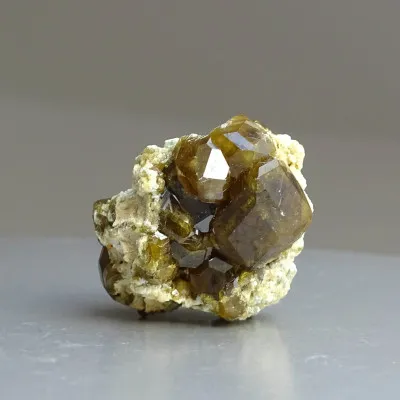
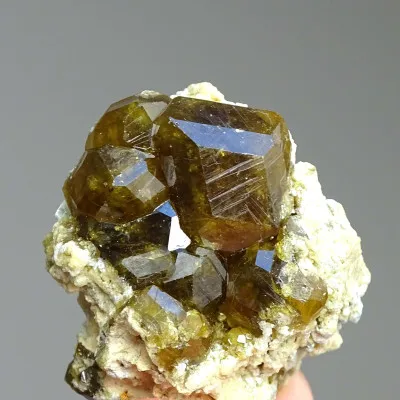
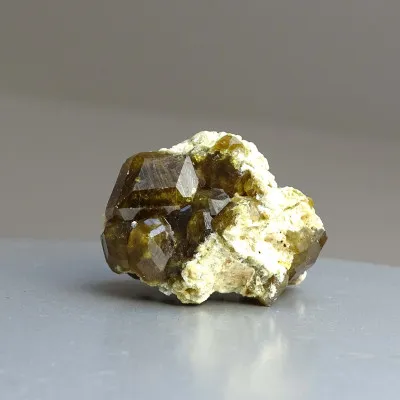
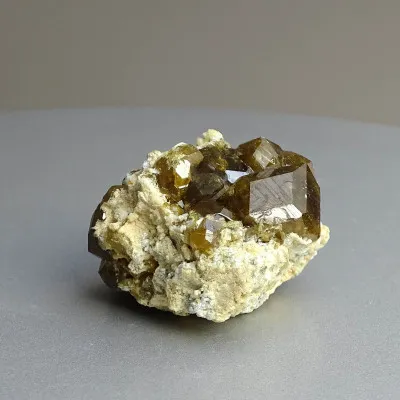
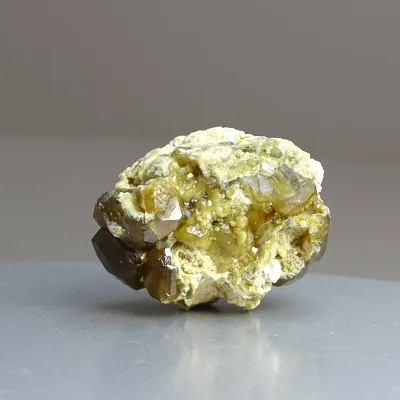
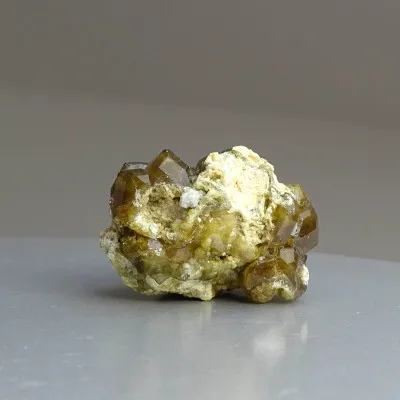
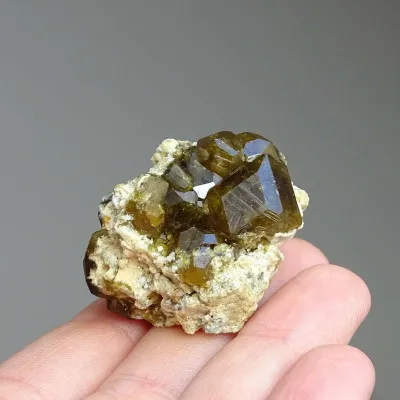
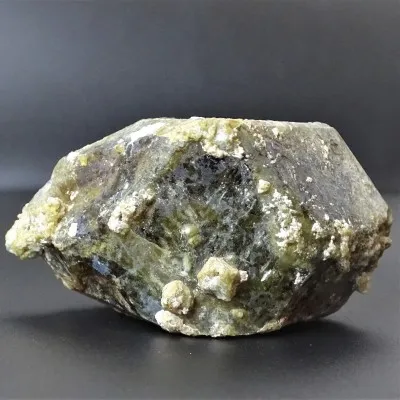
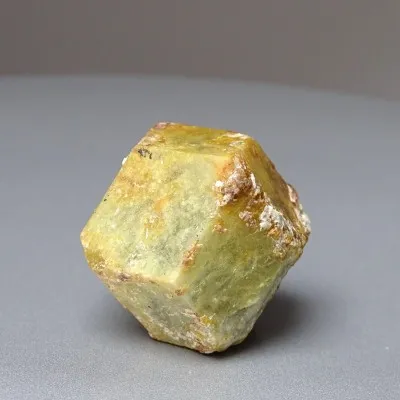
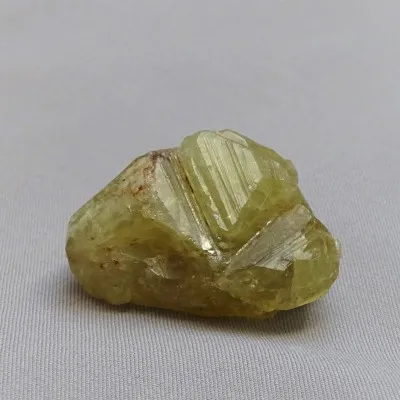
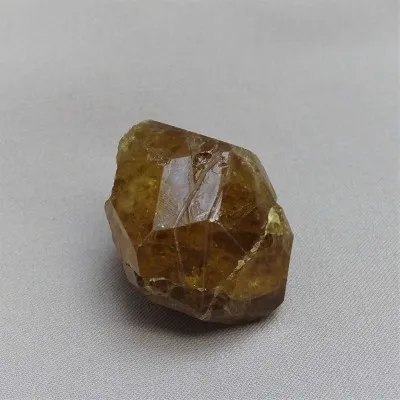
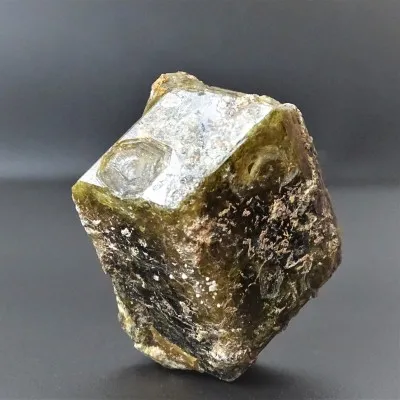
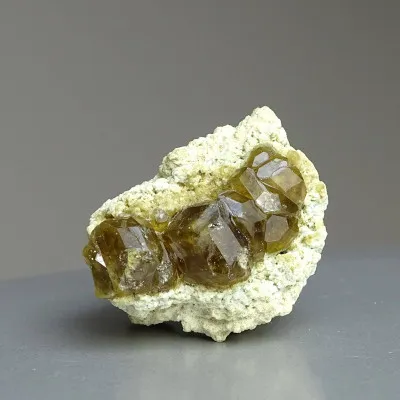
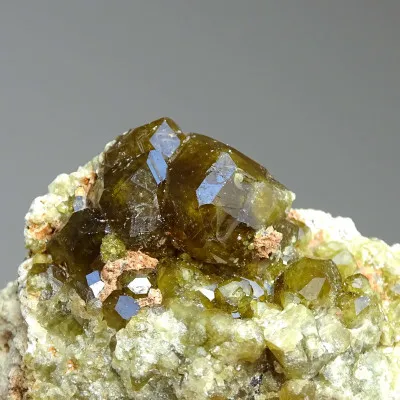
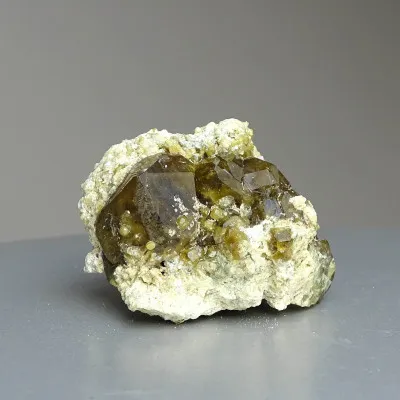
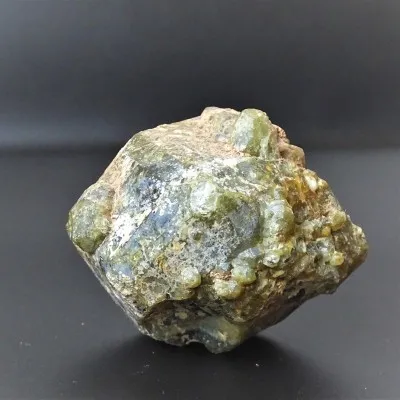
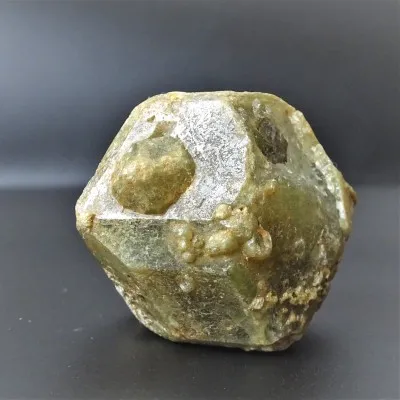
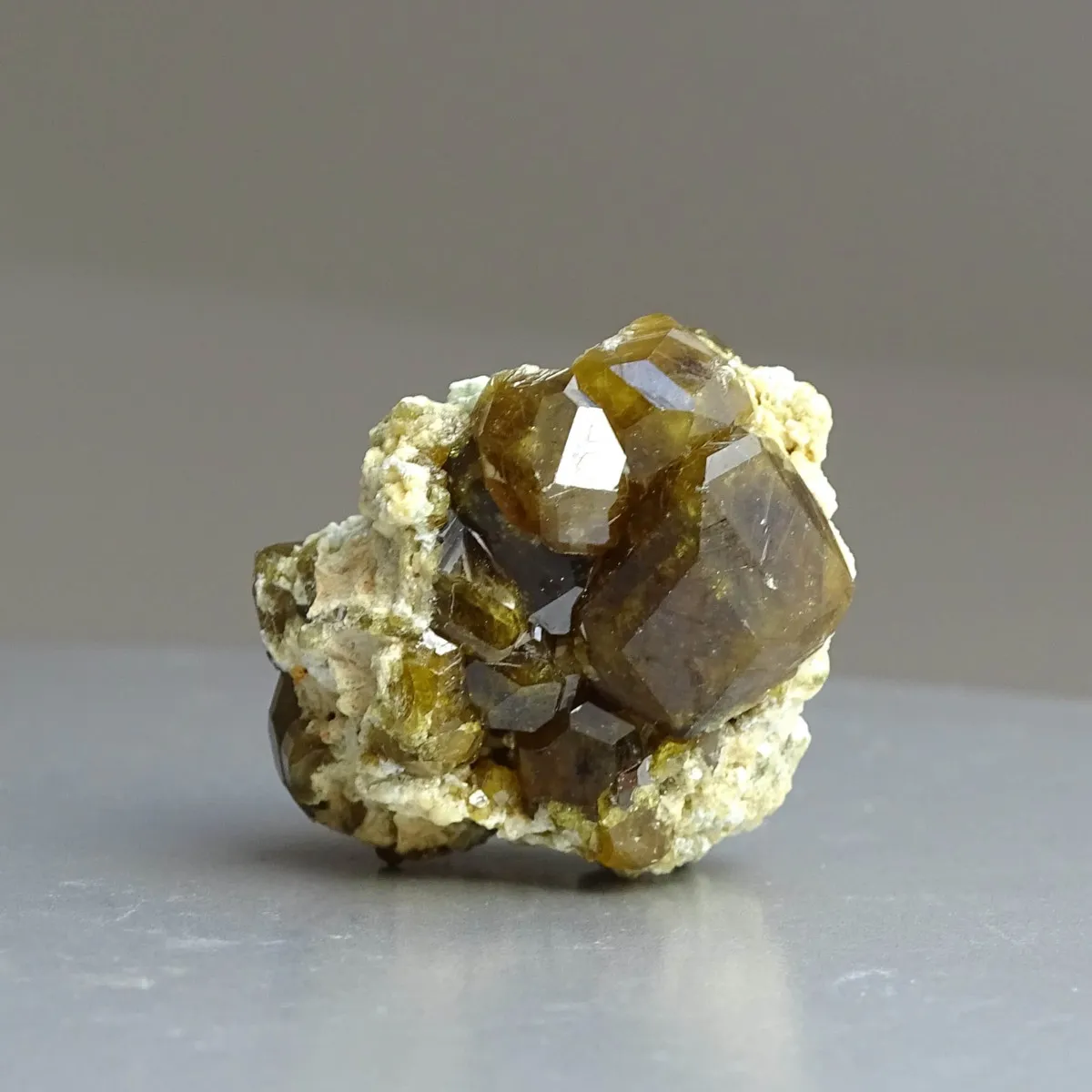
Grossular garnet natural crystal. Grossular garnet is known for its typical green or pink color. Grossular garnet is valued for its beautiful color and hardness, which makes it suitable for various jewelry pieces and a collector's mineral. Grossular garnet from Mali is an attractive natural collector's mineral with olive green, yellow-brown to honey-brown crystals on a light-colored host rock.
Weight: 32.2 g
Dimensions: 3.61 x 2.91 x 2.32 cm
Color: Green - yellow
Country of origin: Mali
You always buy the mineral shown in the photo!
MINERALS-STONES® • Natural collector minerals
Grossular garnet from Mali is an attractive collector mineral combining sharply formed crystals, a natural matrix and a beautiful range of olive green, honey brown and greenish-brown tones. These specimens are appreciated for their crystal habit, vitreous luster and their origin from one of West Africa’s well-known garnet localities.
Grossular is a calcium-aluminium silicate belonging to the garnet group, with the ideal chemical formula Ca3Al2(SiO4)3. It forms in metamorphic environments, especially in calcium-rich rocks that have undergone contact or regional metamorphism, and it may also occur in skarns and other metamorphosed calcareous host rocks. Mali has become known among collectors for attractive grossular specimens showing well-developed crystals in olive, yellowish-green, honey, cinnamon to brownish-green shades.
The specimens shown in the photographs display a very decorative contrast between lustrous transparent to translucent grossular crystals and the lighter host matrix. The crystal faces reflect light nicely and reveal the natural geometry typical of garnets. Because grossular occurs here as a natural collector specimen rather than a mass-polished decorative stone, each piece carries its own mineralogical authenticity, crystal arrangement and unique visual character.
This type of grossular garnet from Mali is suitable as a collector specimen, a display mineral for a cabinet collection, a natural object for a desk or interior showcase, or as an educational specimen for those interested in silicates, garnets and mineral formation processes. It is not a mass-produced decorative item and not a generic stock sample. You are purchasing the exact specimen shown in the photographs.
Grossular from Mali is valued for its natural crystal form, pleasant olive to honey-brown coloration, vitreous luster and attractive growth on matrix. Well-crystallized garnet specimens from Mali are sought after because they combine aesthetic beauty with clear mineralogical interest.
The value of grossular specimens is influenced by crystal size, luster, transparency, color saturation, condition of the crystal faces and the overall composition on matrix. Specimens with clean, well-formed crystals and a balanced visual structure are especially attractive to collectors.
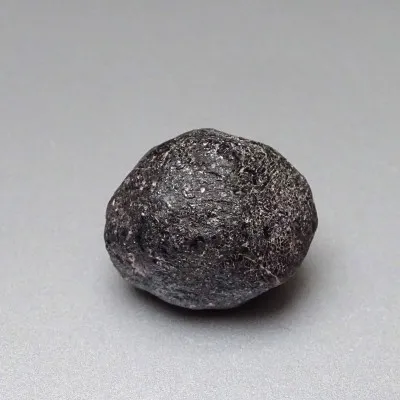
At MINERALS-STONES® every aesthetic and collector mineral is photographed individually. This means you receive the exact grossular garnet specimen shown in the product photographs, with its real crystal habit, natural inclusions, color tones and matrix structure.
| Parameter | Description |
|---|---|
| Name | Grossular garnet |
| Mineral group | Garnet group |
| Chemical formula | Ca3Al2(SiO4)3 |
| Chemical class | Silicates |
| Color | Olive green, yellow-green, honey brown, greenish-brown to brown |
| Luster | Vitreous |
| Transparency | Transparent to translucent |
| Crystal system | Cubic (isometric) |
| Mohs hardness | Approximately 6.5–7.5 |
| Locality | Mali |
| Occurrence | Natural crystals on matrix |
| Use | Collector mineral, display specimen, educational sample, natural interior object |
Mali is one of the notable African sources of collector-grade garnets and other metamorphic minerals. Grossular from this region is often associated with calcium-rich rocks that underwent metamorphic processes, where garnet crystals had favorable conditions to grow in cavities and along mineralized zones. This geological background is one of the reasons why specimens from Mali may show beautiful crystal development and a natural contrast between crystals and matrix.
In the mineral world, grossular is known in several color varieties, ranging from green and yellow-green to orange, cinnamon and brown shades. The Mali material shown here belongs to the attractive olive to brownish range and is popular particularly among collectors who appreciate natural crystal specimens rather than only faceted gemstones.
Although many people associate garnets primarily with red stones, the garnet group is actually remarkably diverse. Grossular is one of the varieties that demonstrates how broad this group can be, offering green, honey, yellowish and brown tones. Thanks to this diversity, grossular holds an important place not only in mineral collections but also in the wider study of silicate minerals and metamorphic geology.
Grossular garnet is a fairly durable collector mineral, but as a natural crystal specimen on matrix it still deserves careful handling. We recommend protecting it from falls, hard impacts, pressure on crystal points and unnecessary contact with aggressive chemicals.
For cleaning, a soft dry brush or a gentle slightly damp cloth is usually sufficient. Do not use harsh household cleaners or abrasive materials. If the specimen contains delicate matrix areas, handle it carefully and avoid soaking it in water for long periods.
Grossular is a calcium-aluminium garnet and a member of the garnet group. It belongs to the silicates and is known for its variable color range from green and yellow-green to honey and brown shades.
Specimens from Mali are appreciated for their attractive crystal formation, pleasant olive to honey-brown coloration and good visual contrast between crystals and matrix, which makes them desirable collector pieces.
This is primarily a natural collector mineral specimen. It can also serve as a decorative natural object, but its main value lies in its authentic crystal growth and mineralogical character.
Yes. At MINERALS-STONES® you always receive the exact mineral specimen shown in the product photographs.
Store it in a dry place, ideally in a display cabinet or collection box, protected from impacts, falls and dust. If possible, place it so that the crystal faces are not under mechanical stress.
Grossular garnet natural crystal. Grossular garnet is known for its typical green or pink color. Grossular garnet is valued for its beautiful color and hardness, which makes it suitable for various jewelry pieces and a collector's mineral. Grossular garnet from Mali is an attractive natural collector's mineral with olive green, yellow-brown to honey-brown crystals on a light-colored host rock.
Weight: 32.2 g
Dimensions: 3.61 x 2.91 x 2.32 cm
Color: Green - yellow
Country of origin: Mali
You always buy the mineral shown in the photo!