
Tanzanite color – pleochroism blue violet gemstone | MINERALS-STONES
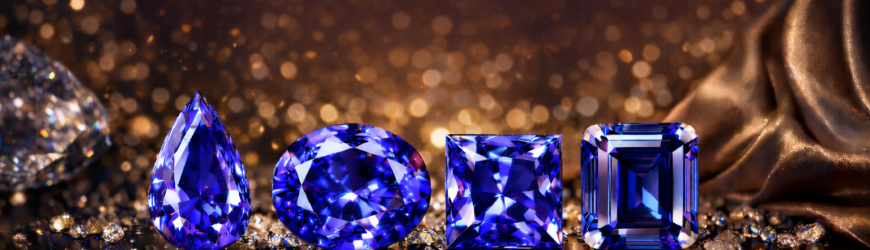
Tanzanite color – why it is blue violet and how pleochroism works
Tanzanite is known for its characteristic blue violet color, one of the most attractive color tones among gemstones. This unique color effect is caused by the combination of chemical composition of the mineral zoisite and the optical phenomenon called pleochroism.
Tanzanite can show multiple color shades at once – typically blue, violet and sometimes slightly reddish brown tones. Color intensity depends on crystal orientation, material quality and possible heat treatment.
What causes the color of tanzanite
The color of tanzanite is caused by trace amounts of vanadium in the crystal structure of zoisite. Vanadium influences absorption of specific wavelengths of light and produces the typical blue violet color.
When light hits the crystal, selective absorption and reflection create the characteristic color effect.
Pleochroism – color change depending on viewing angle
Pleochroism is an optical phenomenon in which a mineral displays different colors depending on viewing angle or light polarization.
In tanzanite the following colors can be observed:
- blue shade
- violet shade
- sometimes bronze or brownish tone
Correct orientation during cutting allows enhancement of the desired color.
Heat treatment and color change
Approximately 99% of tanzanite gemstones undergo heat treatment. This process is standard in gemology and helps remove brownish tones while enhancing blue color.
Unheated tanzanite may show less intense blue color and often contains natural brownish shades.
Why blue tanzanite is rare
Strong blue color is the result of ideal combination of chemical composition and crystal structure. Such stones are rarer and often more valuable.
Tanzanite among blue gemstones
Tanzanite belongs among the most well known blue gemstones and is often compared to sapphire or aquamarine.
Tanzanite gemstone information
Color evaluation
Color is one of the main factors determining gemstone value. Important factors include saturation, tone and even color distribution.
Conclusion
The color of tanzanite is the result of a unique combination of chemistry and crystal physics. Pleochroism gives this gemstone its distinctive visual character.
Thanks to its blue violet color, tanzanite belongs among the most attractive gemstones today.